How Much Is a 3d Printer
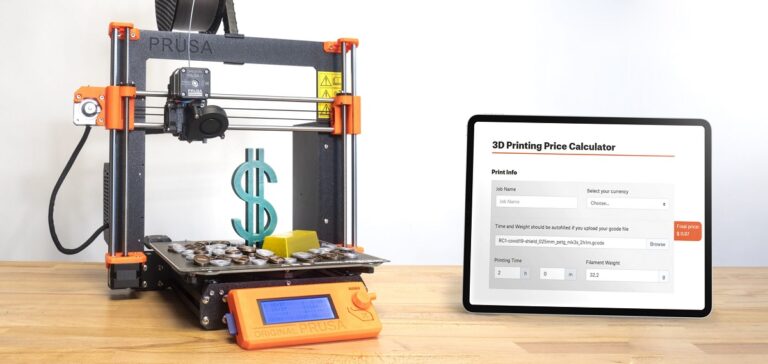
A 3D printer’s price varies widely depending on features and technology. How much is a 3D printer? Entry-level models start around $150 to $400, ideal if you’re beginning or want simple projects.
Mid-range printers, costing $400 to $1,200, balance quality and performance for growing skills.
High-end machines with advanced capabilities can run thousands or even tens of thousands. Don’t forget ongoing costs like materials and maintenance.
If you want to select the right printer for your needs, there’s more to consider than just the price.
Key Takeaways
- Entry-level 3D printers typically cost between $150 and $400, suitable for beginners and simple projects.
- Mid-range printers range from $400 to $1,200, offering better resolution, build volume, and reliability.
- High-end 3D printers start around $1,000 and can exceed $5,000, featuring advanced precision and multi-material support.
- Industrial SLS machines usually begin at $10,000, designed for professional, high-quality manufacturing needs.
- Additional costs include filament or resin, replacement parts, maintenance, software licenses, and electricity consumption.
Factors Influencing the Price of a 3D Printer
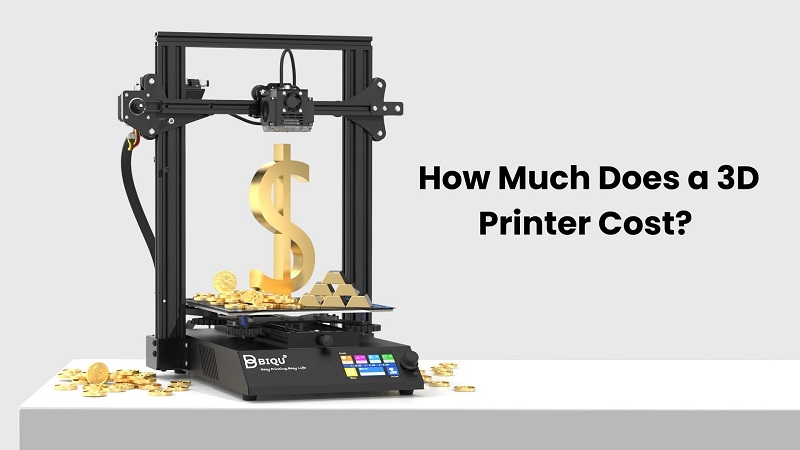
While you might be enthusiastic to pick a 3D printer, it’s important to understand the factors that influence its price. First, print quality plays a huge role—higher resolution and finer detail cost more. Build volume is another; larger printers that create bigger objects usually come with a bigger price tag.
Materials compatibility also affects cost; printers that use diverse or advanced filaments tend to be pricier. You should consider the printer’s speed and reliability too, as faster and more consistent machines demand higher investment. Finally, additional features like touchscreen interfaces, wireless connectivity, and ease of assembly can push the price up.
Knowing these factors helps you choose a 3D printer that fits your budget and needs without surprises.
Types of 3D Printers and Their Price Ranges
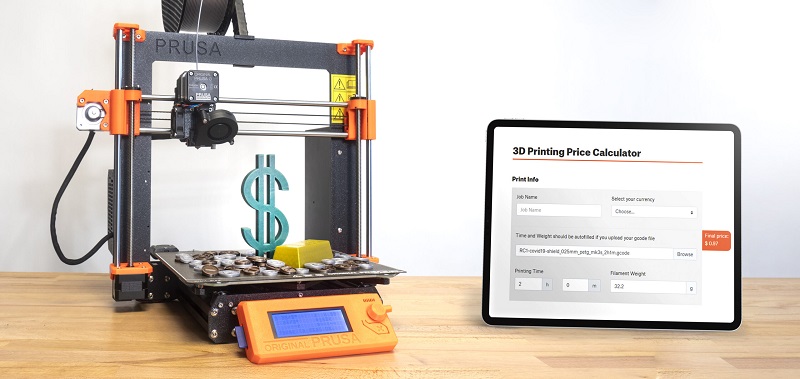
Because 3D printers come in various types, their prices can vary widely depending on the technology and intended use. If you’re looking at Fused Deposition Modeling (FDM) printers, they’re generally more affordable, ranging from a few hundred to a couple thousand dollars. These are great for basic prototyping and hobby projects.
On the other hand, Stereolithography (SLA) printers use resin for higher detail and precision, which usually puts them in the $1,000 to $5,000 range. Selective Laser Sintering (SLS) machines, which use powdered materials and offer industrial-level quality, tend to start around $10,000 and can go much higher. Understanding these types helps you match your budget with the right printer for your needs without overspending on features you might not require.
Entry-Level 3D Printers: Affordable Options for Beginners
If you’re just starting out with 3D printing, entry-level printers offer a budget-friendly way to explore the technology without overwhelming complexity. These printers typically cost between $150 and $400, making them accessible for most beginners. They often come with user-friendly interfaces, simplified setup processes, and decent print quality for basic projects.
While they might lack some advanced features like large build volumes or high-resolution printing, they’re perfect for learning the fundamentals and experimenting with different materials. Popular models in this range include compact FDM printers that are easy to maintain. If you want to dip your toes into 3D printing without a big upfront investment, entry-level printers provide a solid starting point to develop your skills before considering more advanced machines.
Mid-Range 3D Printers: Balancing Cost and Performance
When you’re ready to move beyond the basics, mid-range 3D printers offer a great balance between affordability and advanced features. These printers typically cost between $400 and $1,200, making them accessible without sacrificing quality. You’ll find better build volumes, improved print resolutions, and more reliable components compared to entry-level models.
Plus, many mid-range options include user-friendly interfaces, heated print beds, and compatibility with a wider range of materials. This means you can experiment with different filament types and create more detailed prints. If you want a machine that grows with your skills and projects, a mid-range 3D printer is a smart investment.
It provides enhanced performance without the steep price tag of professional-grade equipment.
High-End 3D Printers: Features That Justify a Premium Price
When you opt for a high-end 3D printer, you’re getting advanced printing capabilities that deliver exceptional detail and speed. These models also support a wider range of materials, letting you experiment beyond standard plastics.
That versatility and precision are what really justify their premium price.
Advanced Printing Capabilities
Though high-end 3D printers come with a steeper price tag, their advanced printing capabilities offer features that can substantially enhance your projects. You’ll benefit from higher resolution printing, allowing for intricate details and smoother surfaces, which is vital for professional prototypes or artistic models. These printers often provide faster print speeds without compromising quality, helping you meet tight deadlines.
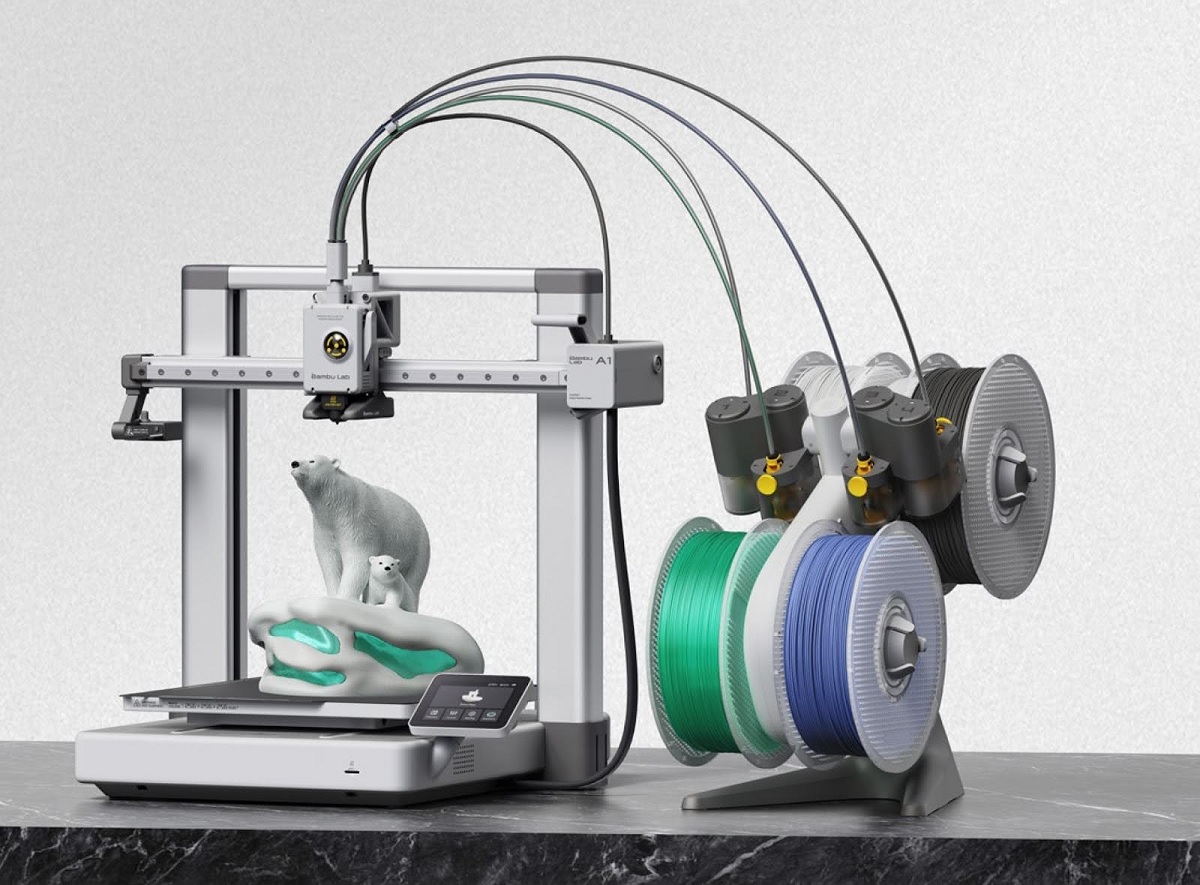
You can also expect multi-extruder setups that let you print complex multi-material or multi-color objects in a single run, expanding your creative possibilities. Additionally, advanced calibration systems make sure your prints are accurate and consistent, reducing failed prints and wasted materials. Investing in these capabilities means you get reliable, precise, and versatile performance, making the cost worthwhile if quality and efficiency matter to you.
Enhanced Material Compatibility
Along with advanced printing capabilities, high-end 3D printers stand out because they handle a wider range of materials. This means you’re not limited to standard plastics like PLA or ABS; you can work with specialty filaments such as carbon fiber composites, flexible TPU, or even metal-infused materials. These options expand your creative and functional possibilities, letting you produce parts that are stronger, more flexible, or more heat-resistant.
Plus, high-end models often feature precise temperature controls and dual extrusion systems, so you can combine materials in a single print for complex designs. If your projects demand versatility and superior material properties, investing in a printer with enhanced material compatibility guarantees you won’t be held back by what you can use.
Additional Costs Beyond the Initial Purchase
Even after you buy a 3D printer, costs don’t stop there. You’ll need to budget for ongoing expenses like filament or resin, which vary depending on the material and quality you choose. Replacement parts such as nozzles, build plates, and extruders can add up, especially if you print frequently.
Maintenance tools and cleaning supplies are also necessary to keep your printer running smoothly. Software licenses, if required for advanced features, might come with additional fees. Don’t forget electricity costs, which can increase depending on your printer’s power consumption and print time.
Factoring in these additional expenses guarantees you’re prepared for the full cost of ownership, helping you avoid surprises after the initial purchase.
Where to Buy 3D Printers: Pricing Differences Across Retailers
Understanding the ongoing costs of 3D printing is just one part of the equation; where you buy your printer can also impact your overall expenses. Different retailers offer varying prices based on their overhead, stock levels, and location. Online stores like Amazon or dedicated 3D printing websites might have competitive prices and frequent discounts, while local electronics shops could charge more but offer immediate pickup and personalized support.
Additionally, buying directly from manufacturers sometimes means you get the latest models or exclusive bundles. Don’t forget that shipping costs and return policies vary, affecting your total spend and convenience. So, before making a purchase, it’s smart to compare prices across multiple sources to find the best deal suited to your needs.
Tips for Getting the Best Value When Purchasing a 3D Printer
To get the best value when buying a 3D printer, you’ll want to plan your budget carefully and focus on the features that matter most to you. Don’t overlook the importance of choosing a reputable brand with solid warranty options.
These steps can save you money and headaches down the road.
Budget Planning Strategies
While shopping for a 3D printer, you’ll want to balance features, quality, and cost to make the most of your budget. Start by setting a clear spending limit based on your needs and stick to it to avoid overspending. Research various brands and models to identify those that offer reliable performance without unnecessary extras.
Look out for seasonal sales or discounts, which can considerably reduce costs. Don’t forget to factor in ongoing expenses like filament and maintenance. Consider buying from reputable sellers who provide warranties and customer support, giving you peace of mind.
Ultimately, prioritize printers with good user reviews to ensure you’re investing in a machine that delivers value over time. This thoughtful planning helps you get the best 3D printer within your budget.
Feature Prioritization Tips
Even if you’re on a tight budget, focusing on essential features can help you find a 3D printer that meets your needs without breaking the bank.
Start by prioritizing print quality, build volume, and ease of use. Features like heated beds or filament compatibility matter depending on your projects.
Avoid getting distracted by flashy extras if they don’t serve your goals.
| Feature | Why It Matters | Prioritize If… |
|---|---|---|
| Print Quality | Determines final model detail | You need precise prints |
| Build Volume | Limits maximum object size | You plan larger projects |
| Ease of Use | Impacts setup and learning | You’re new to 3D printing |
| Filament Options | Affects material versatility | You want variety in prints |
Use this table to focus on what really fits your needs and budget.
Brand and Warranty Considerations
Once you’ve zeroed in on the features that matter most, it’s smart to think about the brand reputation and warranty options available. Choosing a well-known 3D printer brand can save you headaches later. Established manufacturers usually offer better customer support, reliable hardware, and frequent firmware updates.
Don’t overlook the warranty—make sure it covers essential parts like the print head and electronics. A solid warranty protects your investment and often includes repair or replacement services. Also, check if the brand provides easy access to replacement parts and customer service responsiveness.
These factors can affect the overall cost and satisfaction with your purchase. By prioritizing reputable brands and thorough warranties, you ensure a smoother 3D printing experience and better value for your money.
Frequently Asked Questions
How Long Does It Take to Learn 3D Printing Basics?
You can learn 3D printing basics in a few days to a couple of weeks, depending on your dedication. Getting comfortable with software and hardware takes practice, but you’ll start creating simple prints quickly with consistent effort.
What Materials Can I Use With a 3D Printer?
You can use materials like PLA, ABS, PETG, nylon, and TPU for 3D printing. Some printers also handle resin, metal, or wood-filled filaments, depending on the technology and your project’s needs.
How Much Electricity Does a 3D Printer Consume?
A 3D printer usually consumes between 50 to 250 watts per hour, depending on its size and type. You’ll notice higher usage during heating and printing, but overall, it’s relatively energy-efficient compared to many appliances.
Can I Use a 3D Printer for Food-Related Projects?
Yes, you can! In fact, the global 3D food printing market is expected to reach $525 million by 2030.
You’ll find printers that create edible shapes, chocolates, and even customized nutrition-packed meals.
What Safety Precautions Should I Take When 3D Printing?
You should wear gloves and goggles, make certain of good ventilation, avoid touching hot parts.
Keep your workspace clean, and handle materials safely. Also, never leave the printer unattended while it’s running to prevent accidents.
Conclusion
When you’re ready to buy a 3D printer, remember it’s not just the upfront cost you should consider—there are extra expenses like materials and maintenance. Whether you choose an entry-level model or a high-end machine, balancing features with your budget is key. Like a Victorian inventor tinkering in his workshop, you’ll want to find the perfect blend of value and performance.
Shop around wisely, and you’ll bring your creative visions to life without breaking the bank. Understanding how much is a 3D printer and the additional costs involved will help you make an informed decision. This way, your investment in a 3D printer truly meets your needs and expectations.