What Are the Dimensions of Printer Paper
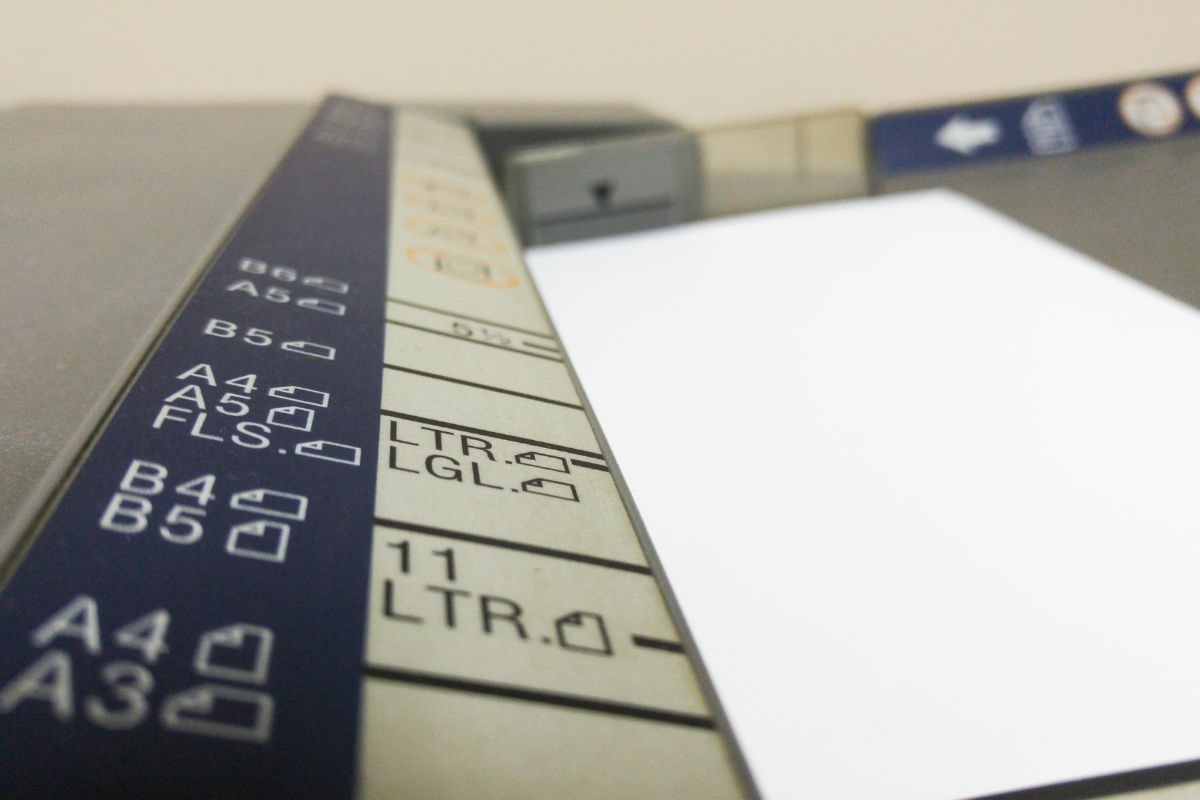
If you’re looking to understand the dimensions of printer paper, the most common size in North America is Letter, measuring 8.5 by 11 inches.
Outside North America, A4 is the standard at 210 by 297 millimeters. These sizes are essential to know for printing documents correctly.
You might also encounter Legal size paper, which measures 8.5 by 14 inches and is typically used for legal documents.
Another size is Tabloid, which is 11 by 17 inches, often used for larger prints like posters.
Knowing these basics helps you match documents to the right size and printer.
Understanding printer paper dimensions ensures your documents print properly and fit your needs. Keep exploring to see how different sizes serve various purposes.
Key Takeaways
- Standard North American printer paper size is Letter, measuring 8.5 x 11 inches.
- Legal paper size, used for contracts, measures 8.5 x 14 inches.
- Tabloid paper size is 11 x 17 inches, ideal for posters and brochures.
- The international standard A4 size measures 210 x 297 mm, widely used outside North America.
- Metric A-series sizes halve progressively, with A0 at 841 x 1189 mm and A4 at 210 x 297 mm.
Standard Printer Paper Sizes in North America
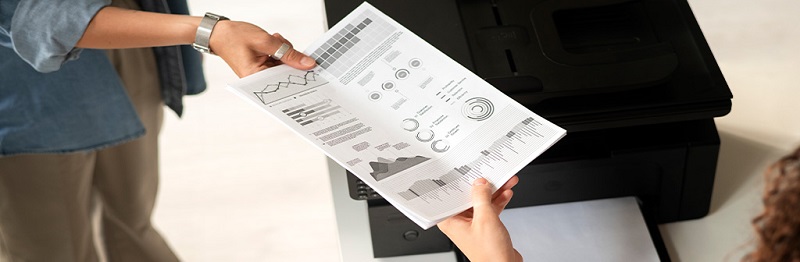
Wondering which printer paper size you should use in North America? The most common is Letter size, measuring 8.5 by 11 inches. It’s the standard for most documents, school papers, and business correspondence.
You’ll also encounter Legal size, which is longer at 8.5 by 14 inches, often used for contracts and legal paperwork. Another less common size is Tabloid, 11 by 17 inches, useful for larger prints like posters or brochures. If you’re dealing with envelopes or smaller print jobs, you might see sizes like A2 or A6, but these aren’t typical for printers.
Sticking to Letter size will cover most of your everyday printing needs in North America, ensuring compatibility with printers and copiers.
Common International Paper Dimensions
When printing internationally, you’ll often encounter the ISO 216 standard, which defines the A, B, and C series of paper sizes. This system is widely used across most countries, making it easier to manage paper dimensions globally.
Here are the most common international paper sizes you should know:
- A4 (210 x 297 mm): The standard size for letters, documents, and printing in many countries outside North America.
- B5 (176 x 250 mm): Often used for books, magazines, and smaller printed materials.
- C4 (229 x 324 mm): Primarily used for envelopes designed to fit A4 sheets without folding.
Understanding these sizes will help you navigate international printing requirements with confidence.
Differences Between Letter, Legal, and Tabloid Sizes
While international paper sizes like A4 and B5 are common globally, the United States and Canada primarily use different standard dimensions for everyday printing. The three most common sizes you’ll encounter are Letter, Legal, and Tabloid. Letter size measures 8.5 by 11 inches and is perfect for everyday documents like letters and reports.
Legal paper is longer, at 8.5 by 14 inches, designed for contracts or legal documents that require extra space. Tabloid size is much larger, measuring 11 by 17 inches, often used for posters, charts, or large diagrams. Understanding these differences helps you choose the right paper for your needs, ensuring your documents fit well and print correctly without resizing or cropping.
Understanding Metric Paper Sizes: A Series Explained
Although the U.S. and Canada use unique paper sizes, much of the world relies on metric-based standards, especially the A series. This series starts with A0, which is 1 square meter in area, and each subsequent size halves the previous one. Understanding these sizes can help you work internationally or with standardized documents.
Here’s a quick rundown of the A series:
- A0: Measures 841 x 1189 mm, perfect for large posters or architectural plans.
- A4: At 210 x 297 mm, it’s the most common size for letters and documents globally.
- A5: Half the size of A4, often used for flyers or notepads.
Knowing these helps you choose the right paper effortlessly when dealing with global standards.
Choosing the Right Paper Size for Your Printing Needs
Since different projects have unique requirements, choosing the right paper size is essential to guarantee your printed materials look professional and fit their intended purpose. Start by considering the content and format—letters and documents often use standard sizes like A4 or Letter, while brochures may benefit from smaller or custom dimensions. If you’re printing photos or art, larger sizes like A3 offer better detail and presentation.
Also, keep in mind the printer’s capabilities; not all printers handle every paper size. Think about distribution too—smaller sizes are easier to mail, while larger paper can make a stronger visual impact. By matching your paper size to your specific needs, you ensure your final product is both practical and polished.
Frequently Asked Questions
What Paper Size Is Best for Photo Printing?
For photo printing, you’ll want to use 4×6-inch paper, which matches standard photo sizes perfectly. It’s great for snapshots.
If you want larger prints, consider 5×7 or 8×10-inch paper for better display options.
How Does Paper Thickness Affect Printer Performance?
Paper thickness affects your printer’s performance by influencing ink absorption and feed reliability. Thicker paper might cause jams or smudging, while thinner paper risks curling.
Always use paper thickness recommended for your specific printer model.
Can Printer Paper Size Affect Ink Drying Time?
Yes, printer paper size can affect ink drying time since larger sheets might expose more surface area, leading to varied drying conditions. You’ll notice differences especially with thicker or coated papers, impacting your print’s drying speed.
The size influences how quickly the ink settles and dries, as more extensive areas may retain moisture longer. Additionally, environmental factors like humidity and airflow interact differently with various paper sizes. This means choosing the right paper size can help optimize drying time for your prints.
Are There Eco-Friendly Printer Paper Size Options?
Yes, you can choose recycled, bamboo, or FSC-certified eco-friendly printer paper. You’ll reduce waste, save trees, and protect water while still printing in standard sizes like A4 or Letter without sacrificing quality or convenience.
How to Store Printer Paper to Prevent Damage?
You should store printer paper in a cool, dry place away from direct sunlight and humidity. Keep it flat in its original packaging or a sealed container to prevent bending, moisture damage, and dust accumulation.
Conclusion
Now that you know the common printer paper dimensions, you’re better equipped to select the right size for your needs. Whether you’re printing a simple letter or a detailed legal document, understanding these sizes makes a difference.
Ever wondered why using the correct paper size matters so much? It ensures your work looks professional and fits perfectly.
So next time you print, you’ll feel confident picking the perfect paper every time. Knowing the dimensions of printer paper helps ensure your documents are formatted correctly and your printing experience is seamless.