What Is a 3d Printer
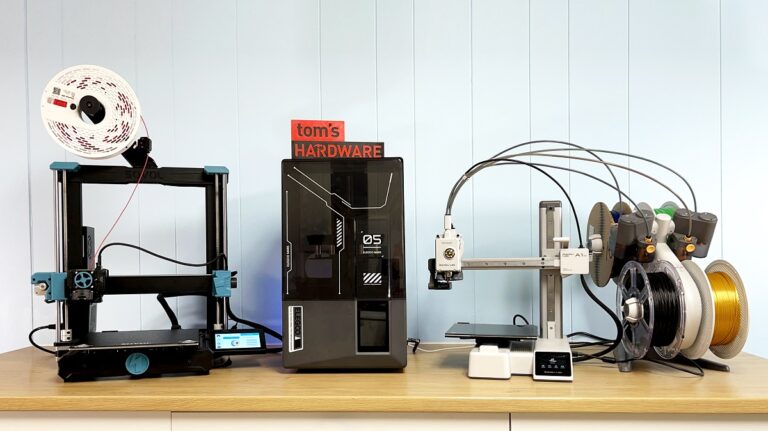
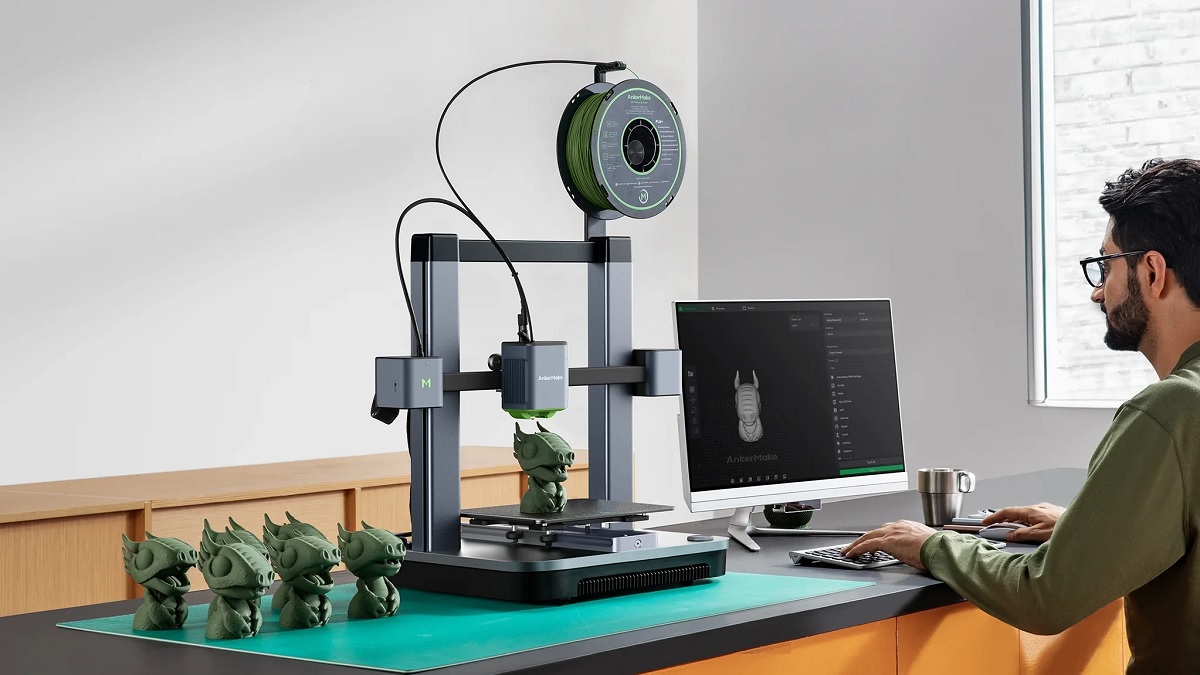
A 3D printer is a device that turns digital designs into real objects by building them layer by layer. This innovative technology uses materials like plastic, resin, or metal to bring your 3D model to life.
Whether for custom parts or prototypes, 3D printing offers versatile solutions.
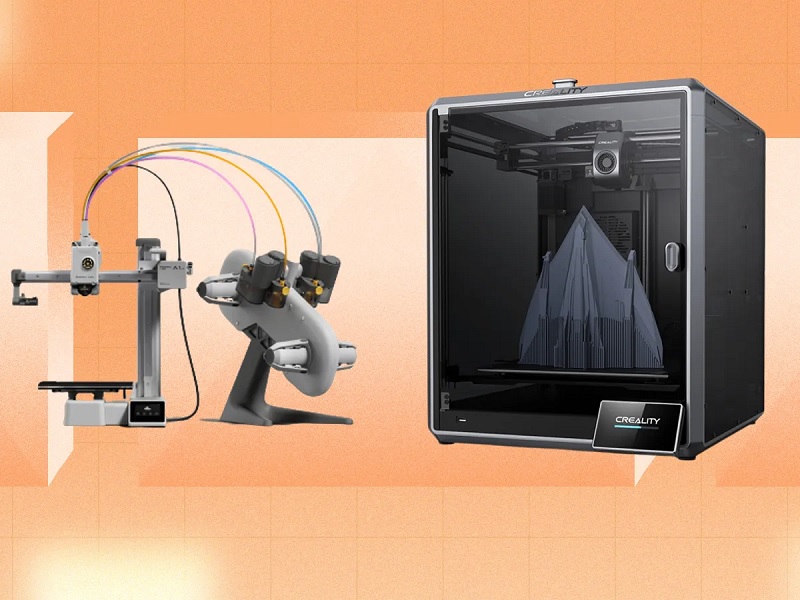
There are different types of 3D printers, such as FDM for plastics and SLA for highly detailed resin prints. Each type has its advantages depending on the material and level of detail required. Exploring these options can help you choose the right printer for your needs.
If you want to learn more about how a 3D printer works and the exciting projects you can create, there’s plenty more to discover. From simple objects to complex designs, the possibilities are vast and inspiring.
Key Takeaways
- A 3D printer creates physical objects by layering material based on a digital 3D model.
- It builds items from the bottom up using materials like plastic filament, resin, or metal powder.
- Common technologies include FDM (plastic extrusion), SLA (resin curing), and SLS (powder sintering).
- 3D printers enable rapid prototyping, customization, and complex designs without traditional manufacturing tools.
- They are used in industries such as healthcare, manufacturing, and fashion for tailored, on-demand production.
How 3D Printers Work
Although 3D printers might seem complex, you’ll find their basic operation straightforward. You start by creating or downloading a digital 3D model, which the printer reads layer by layer. The printer then builds your object from the bottom up, adding material precisely according to the design.
It typically uses materials like plastic filament, resin, or metal powder, melting or curing them to form solid layers. The print head or laser moves in specific patterns, guided by the model’s instructions, gradually shaping your item. You don’t need to worry about traditional manufacturing steps like cutting or assembling.
Once the layers are complete, you’ll have a physical version of your digital design, ready to use or refine further.
Common Types of 3D Printing Technologies
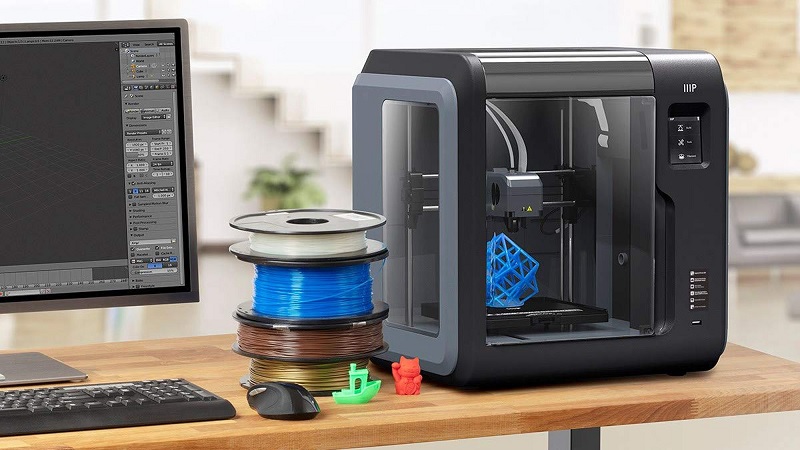
When you explore 3D printing, you’ll notice several different technologies, each suited for specific materials and applications. Understanding these can help you choose the right one for your project. Here are some common types you’ll encounter:
- Fused Deposition Modeling (FDM): Perfect if you want affordable, durable prints using plastic filaments. It’s great for beginners and prototypes.
- Stereolithography (SLA): Ideal for high-detail, smooth finishes. It uses resin cured by a laser, making it excellent for intricate models.
- Selective Laser Sintering (SLS): Uses a laser to fuse powdered materials. It’s great for strong, functional parts without support structures.
Knowing these options empowers you to create exactly what you envision, whether it’s a simple prototype or a complex, detailed piece.
Materials Used in 3D Printing
Each 3D printing technology works best with certain materials, so knowing your options can help you get the results you want. You’ll find plastics, metals, ceramics, and even resins used widely. Plastics like PLA and ABS are great for beginners and general use.
Metals, such as titanium and stainless steel, offer strength for more demanding projects. Ceramic materials bring heat resistance and aesthetics. Resins provide high detail, perfect for intricate designs.
Here’s a quick overview:
| Material | Common Use |
|---|---|
| PLA | Prototyping, hobbyist parts |
| ABS | Durable, functional objects |
| Titanium | Aerospace, medical implants |
| Resin | Detailed miniatures, jewelry |
| Ceramic | Heat-resistant, artistic items |
Applications of 3D Printing Across Industries
Since 3D printing lets you create complex shapes quickly and affordably, it’s transforming industries from healthcare to automotive. You can see its impact everywhere, from personalized medicine to rapid prototyping. Imagine holding a custom prosthetic tailored just for you or driving a car with parts made lighter and stronger than ever before.
3D printing is revolutionizing industries with personalized, affordable, and complex creations from healthcare to automotive.
Here’s how 3D printing is changing the game:
- Healthcare: Custom implants and surgical models improve patient outcomes.
- Manufacturing: Quick, on-demand production cuts costs and speeds innovation.
- Fashion: Designers craft intricate, unique pieces impossible with traditional methods.
With 3D printing, you’re witnessing a revolution that’s not just about making things—it’s about making things better, tailored, and smarter.
Advantages and Challenges of 3D Printing
Although 3D printing offers incredible benefits like customization and speed, it also comes with its own set of challenges you should be aware of before diving in. On the plus side, you can create complex designs tailored to your needs without traditional manufacturing constraints. It reduces waste and often speeds up prototyping, saving time and money.
However, limitations exist. The materials you can use are still somewhat restricted compared to conventional methods, and the quality might not always match mass-produced items. You’ll also face costs for equipment and maintenance that can add up.
Plus, there’s a learning curve involved in mastering the software and printer settings. By weighing these pros and cons, you can decide if 3D printing fits your goals and resources.
Frequently Asked Questions
How Much Does a Basic 3D Printer Cost?
You can expect a basic 3D printer to cost between $200 and $500. Prices vary based on features and brand, but this range covers most entry-level models perfect for beginners and hobbyists.
Are 3D Printers Safe to Use at Home?
Yes, 3D printers are generally safe to use at home if you follow safety guidelines. You should guarantee proper ventilation, avoid touching hot parts, and supervise kids to prevent burns or inhaling fumes.
What Software Do I Need for 3D Printing?
You’ll need slicing software like Cura or PrusaSlicer to prepare your 3D models for printing. CAD programs, such as Tinkercad or Fusion 360, help design models. These tools work together to get your prints ready.
Can 3D Printers Print Food or Living Tissue?
Imagine turning imagination into edible art—yes, you can print food with 3D printers! Printing living tissue is trickier but progressing, letting you create complex biological structures for research and medicine, though it’s not quite everyday kitchen tech yet.
How Long Does It Take to Print a Typical Object?
It usually takes you anywhere from a few minutes to several hours to print a typical object, depending on its size, complexity, and the printer’s speed. Larger or detailed items naturally take longer to finish.
Conclusion
Just like the magic wands in fairy tales, 3D printers let you turn your ideas into reality, layer by layer. Whether you’re crafting prototypes, medical devices, or art, this technology puts the power of creation right at your fingertips.
While there are challenges to navigate, embracing 3D printing opens doors to innovation and endless possibilities. So, why not step into this modern-day wonder and start building your own future today?
With a 3D printer, you can transform imagination into tangible objects quickly and efficiently. This revolutionary technology is shaping the future of manufacturing, design, and creativity. Explore the world of 3D printing and unlock your potential for innovation and creation.