What Is a Sublimation Printer
A sublimation printer uses special ink that turns from solid to gas with heat, letting you create vibrant, long-lasting designs.
This sublimation printing technology allows you to produce high-quality images with excellent color accuracy. You print your image on sublimation paper, then use heat and pressure to transfer the ink onto polyester or polymer-coated items like mugs or fabrics.
This method guarantees bright colors that won’t crack or peel. Sublimation printing is ideal for personalized items and durable prints.
If you want to know the key parts, materials, and tips for perfect prints, keep exploring what makes this process work so well.
Key Takeaways
- A sublimation printer uses special sublimation ink that turns from solid to gas when heated to create permanent prints. It prints designs onto sublimation paper, which transfers the image onto polyester or polymer-coated items during heat pressing.
- The printer features components like sublimation ink cartridges and a high-resolution print head for detailed, vibrant images. Sublimation printers produce durable, fade-resistant colors that bond with materials without cracking or peeling.
- Commonly used for customizing polyester fabrics, coated ceramics, and metals with sharp, colorful graphics.
How Sublimation Printing Works
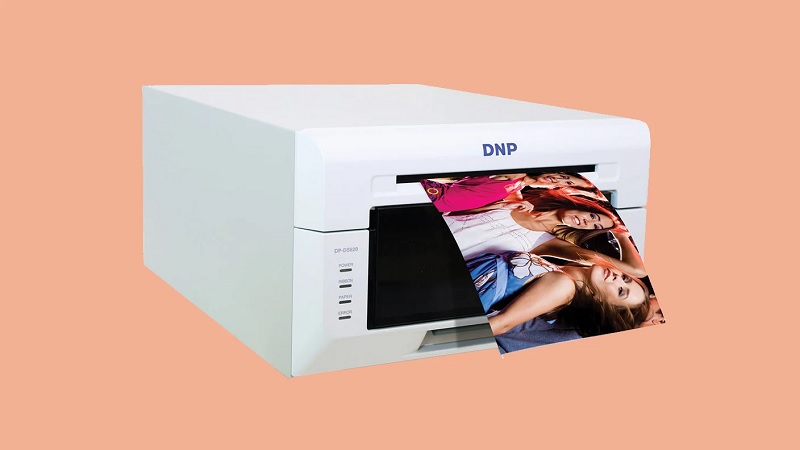
How does sublimation printing actually work? You start by printing your design onto special sublimation paper using sublimation ink. This ink is unique because it turns directly from solid to gas when heated, bypassing the liquid phase.
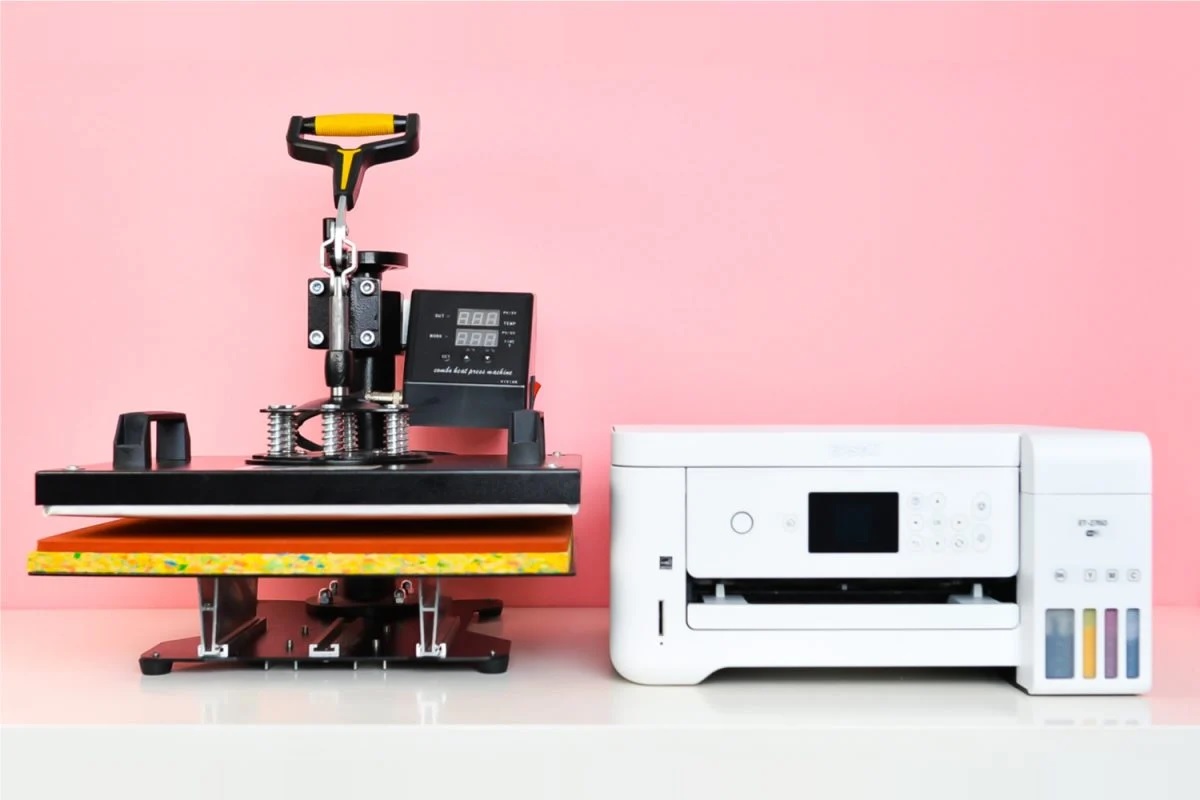
Next, you place the printed paper onto the item you want to customize, usually a polyester fabric or polymer-coated surface. Applying heat and pressure with a heat press causes the ink to sublimate, embedding the design into the material’s fibers or coating. This process results in vibrant, durable images that won’t crack or peel.
Because the ink becomes part of the substrate, you get smooth, high-quality prints perfect for apparel, mugs, or phone cases. Sublimation printing is ideal when you want lasting color and detail.
Key Components of a Sublimation Printer
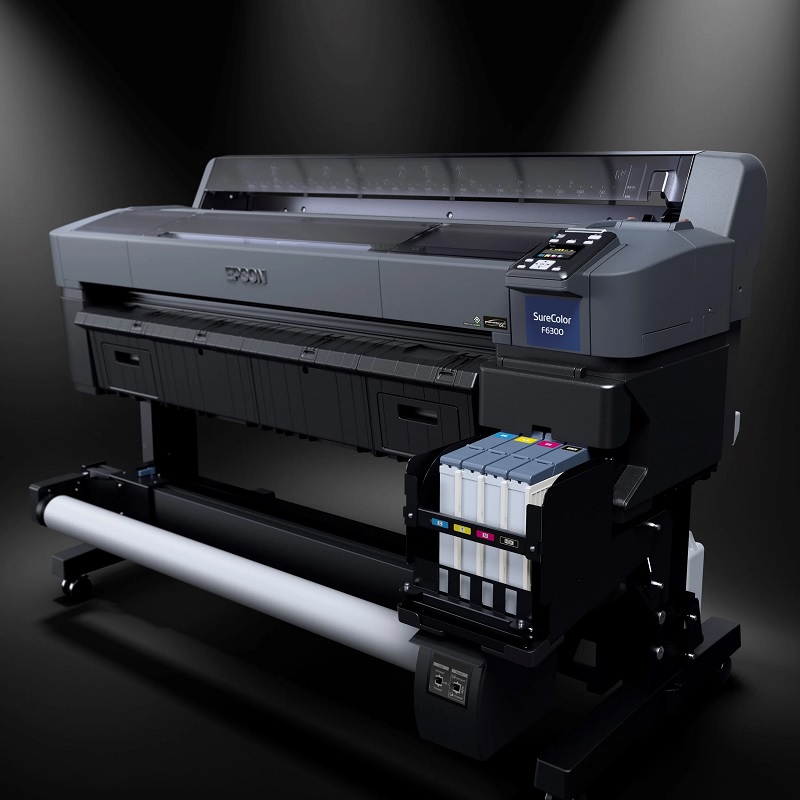
Now that you know how sublimation printing embeds vibrant designs into materials, it’s helpful to understand the main parts that make this process possible.
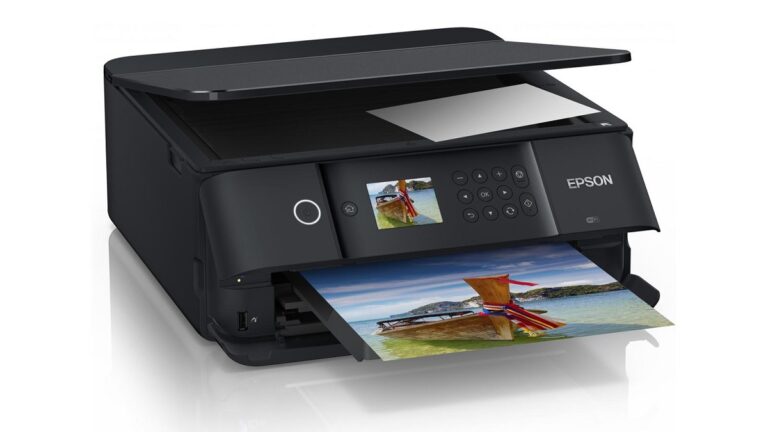
A sublimation printer has specific components designed to handle the unique demands of this printing method.
Here are the key components you’ll find:
- Sublimation Ink Cartridges – Specially formulated inks that turn into gas when heated, allowing for vibrant, permanent prints.
- Print Head – Precisely sprays ink onto sublimation paper with high resolution.
- Sublimation Paper – Transfers the ink from the printer to the substrate during heat pressing.
- Heating Element – Not part of the printer itself but essential for transferring the design onto the final product using heat and pressure.
Understanding these parts helps you appreciate how sublimation printers achieve such detailed and colorful results.
Benefits of Using Sublimation Printers
Although sublimation printing requires specialized equipment, you’ll find its benefits make the investment worthwhile. One major advantage is the vibrant, long-lasting colors you get. Sublimation inks bond with the material, so the prints won’t crack, peel, or fade easily.
You also get incredibly detailed and sharp images, perfect for custom designs or small runs. Plus, the process is quick once set up, boosting your productivity. Another plus is that sublimation printing is eco-friendly, using less ink and producing minimal waste compared to other methods.
It’s also versatile, letting you create durable designs on various items like apparel or accessories. Overall, sublimation printers deliver professional-quality results that hold up over time, making them a smart choice for your printing needs.
Common Materials for Sublimation Printing
Wondering which materials work best with sublimation printing? You’ll want to focus on substrates that have a polymer coating or are made from polyester, as sublimation ink bonds best with these surfaces.
Here are four common materials you can use:
- Polyester Fabric – Perfect for clothing, banners, and soft signage.
- Polymer-Coated Ceramics – Great for mugs, tiles, and decorative items.
- Polymer-Coated Metals – Ideal for photo panels, keychains, and awards.
- Polyester Blends – Works well for sportswear and promotional products.
Avoid cotton or untreated surfaces since sublimation ink won’t adhere properly. Sticking to these materials ensures vibrant, durable prints that won’t fade or peel easily, giving you professional results every time.
Tips for Achieving the Best Sublimation Prints
To get the most vibrant and long-lasting sublimation prints, you’ll need to pay close attention to your printer settings, material preparation, and the transfer process. Start by using high-quality sublimation ink and paper designed for your printer model. Make sure your design’s colors are set to CMYK mode for accurate output.
Preheat your heat press to the recommended temperature and press time, usually around 400°F for 45-60 seconds. Clean your substrates thoroughly to remove dust or oils that can affect ink adhesion. Always use firm, even pressure during transfer to ensure consistent results.
Finally, allow your print to cool completely before handling to avoid smudging. Following these tips will help you achieve sharp, vibrant, and durable sublimation prints every time.
Frequently Asked Questions
Can Sublimation Printers Be Used for Mass Production?
Yes, you can use sublimation printers for mass production, but it depends on the printer’s speed and capacity. For large-scale runs, industrial sublimation printers work best, while smaller ones suit low to medium volumes efficiently.
Are Sublimation Printers Environmentally Friendly?
Sublimation printers can be more environmentally friendly than traditional methods since they use less water and produce less waste. However, you should consider ink and material disposal to guarantee your process stays eco-conscious overall.
How Long Does a Sublimation Printer Typically Last?
A sublimation printer typically lasts around 3 to 5 years with proper care. You’ll want to clean it regularly and use quality ink to keep it running smoothly and extend its lifespan as much as possible.
What Maintenance Is Required for Sublimation Printers?
Imagine you run a small shop; you’ll need to regularly clean print heads to avoid clogs, replace ink cartridges, and perform nozzle checks.
This keeps your prints vibrant and your sublimation printer running smoothly for years.
Can Sublimation Printers Print on Dark Fabrics?
No, you can’t print directly on dark fabrics with sublimation printers because the inks are translucent.
You’ll need to use white or light-colored polyester fabrics for vibrant, lasting prints that really pop.
Conclusion
Now that you’ve got the hang of sublimation printing, imagine watching vibrant colors dance onto your favorite mug or fabric, creating designs as vivid as a sunset. With the right printer and materials, you’re not just printing—you’re bringing your ideas to life, layer by layer, in rich, lasting hues.
So, plunge in, experiment, and let your creativity flow like ink on a warm, welcoming canvas. Sublimation printers make it possible to achieve these stunning effects with precision and ease.
Embrace the power of sublimation printing technology to turn ordinary items into personalized works of art. Whether you’re customizing apparel, home décor, or promotional products, a sublimation printer is your gateway to vibrant, permanent designs that truly stand out.