How Much Does a Printer Cost
A printer typically costs between $30 and $500, depending on the type and features you want. Inkjet printers are cheaper upfront, great for basic use, while laser printers cost more but save money long-term on toner.
All-in-one models range from budget-friendly to mid-range with extra functions.
If you need high-end quality for professional use, expect to pay $500 or more. Keep exploring to find out what fits your budget and printing needs best.
Understanding how much a printer costs can help you make the right choice for your home or office.
Key Takeaways
- Inkjet printers typically cost between $30 and $500, with basic models being cheaper and premium models offering advanced features.
- Laser printers have higher upfront costs but lower long-term expenses due to durable toner cartridges and less frequent maintenance.
- All-in-one printers range from about $70 to $300, combining printing, scanning, copying, and sometimes faxing in one device.
- High-end professional printers can cost from $500 to over $5,000, designed for high precision, speed, and heavy use.
- Printer price depends on type, features, brand, print quality, speed, and ongoing costs like ink or toner replacement.
Factors Influencing Printer Prices
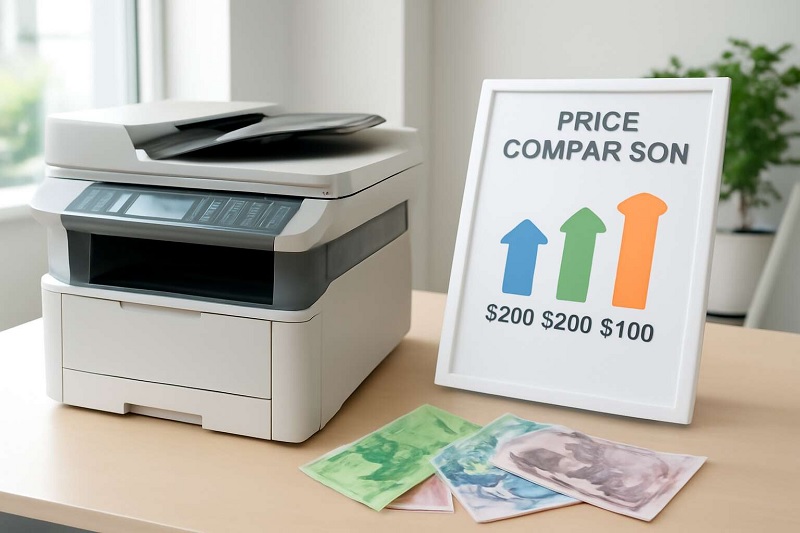
While you might think all printers are priced similarly, several key factors influence their cost. First, the type of printer matters—laser models typically cost more upfront but offer faster printing and lower long-term expenses. Features like wireless connectivity, touchscreen controls, and all-in-one capabilities (scanning, copying, faxing) also raise the price.
Brand reputation plays a role; well-known manufacturers often charge a premium. Print quality and speed can affect cost, as higher resolution and faster pages per minute usually come at a higher price. Additionally, the cost of consumables such as ink or toner cartridges impacts overall value, although this isn’t reflected in the initial cost.
Understanding these factors helps you choose a printer that fits your needs and budget without surprises.
Price Range for Inkjet Printers
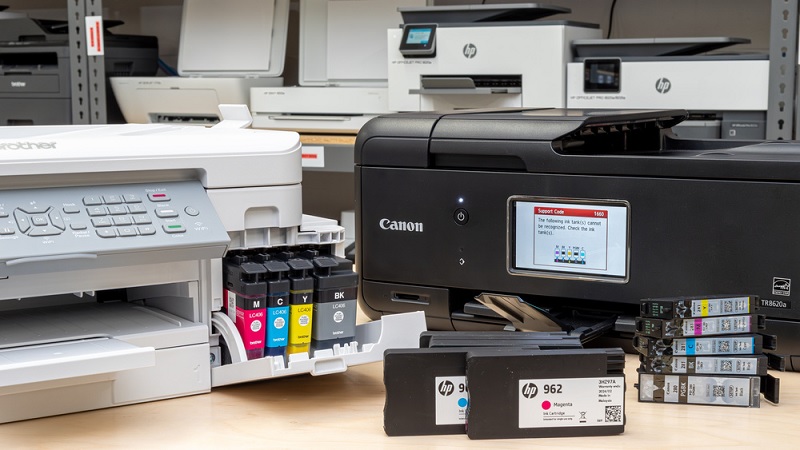
When shopping for inkjet printers, you’ll find basic models that are budget-friendly and perfect for everyday use. On the other hand, premium inkjet printers come with advanced features that can boost your printing quality and speed.
Understanding these price differences helps you choose the right printer for your needs.
Basic Inkjet Models
An entry-level inkjet printer typically costs between $30 and $100, making it an affordable choice if you need basic printing capabilities. These printers are perfect for everyday tasks like printing documents, school assignments, or occasional photos without breaking the bank.
When choosing a basic inkjet model, consider these points:
- Simplicity – You’ll appreciate a straightforward setup and easy operation, especially if you’re not tech-savvy.
- Compact size – These models usually have a small footprint, fitting comfortably on your desk or shelf.
- Cost-effective – Initial price and ink cartridge costs are generally low, keeping your expenses manageable.
If you only need reliable, no-fuss printing, a basic inkjet printer will likely meet your needs without extra bells and whistles.
Premium Inkjet Features
If you want more than just basic printing, premium inkjet printers offer advanced features that justify their higher price, which typically ranges from $150 to $500. You’ll find improved print quality with higher resolution and more accurate color reproduction, perfect for photos or professional documents. These models often include faster print speeds and larger ink tanks, reducing how often you need to replace cartridges.
Many also come with wireless connectivity options like Wi-Fi and Bluetooth, making it easier to print from multiple devices or mobile phones. Additional functions such as automatic duplex printing, touchscreen controls, and scanning or copying capabilities are common. While they cost more upfront, these features improve convenience and output quality, making premium inkjet printers a smart investment if you need versatility and performance.
Cost Breakdown of Laser Printers
Although laser printers often come with a higher upfront price than inkjets, you’ll find that their cost structure is quite different. When you’re considering a laser printer, it’s important to break down where your money goes so you don’t get caught off guard.
- Initial Purchase Price: Laser printers typically cost more upfront, but they’re built for volume and durability.
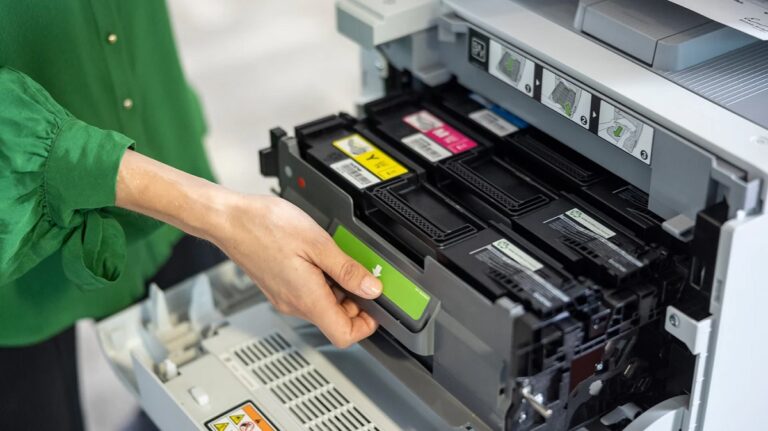
- Toner Cartridges: These cost more than ink but last much longer, saving you money over time.
- Maintenance and Repairs: Fewer replacements and less frequent servicing mean less hassle and expense than you might expect.
Understanding these factors helps you see why a laser printer might be a smarter investment if you print a lot, even if it feels pricey at first.
All-in-One Printers: Features and Pricing
When you need more than just printing, all-in-one printers combine printing, scanning, copying, and sometimes faxing into a single device, saving space and simplifying tasks. These multifunction devices are ideal for home offices or small businesses where versatility matters. You’ll find models ranging from around $70 for basic versions to $300 for more feature-rich options.
Entry-level all-in-one printers typically offer decent print quality and wireless connectivity, while mid-range models add faster speeds, duplex printing, and higher resolution scans. Keep in mind, ink or toner costs can add up over time, so factor in ongoing expenses when choosing a model. Overall, all-in-one printers provide convenient, cost-effective solutions if you want to handle multiple tasks without buying separate machines.
High-End and Professional Printer Costs
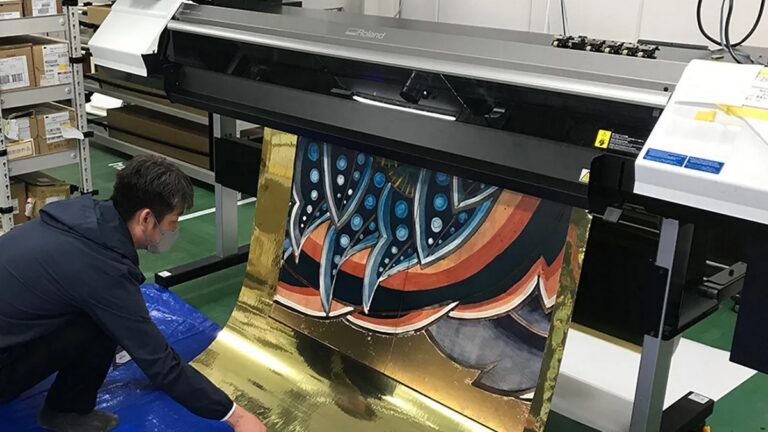
Moving beyond all-in-one printers, high-end and professional models cater to users who demand top-tier performance, exceptional print quality, and advanced features. If you’re a photographer, designer, or business owner, these printers deliver incredible detail and color accuracy but come with a higher price tag. Expect to pay anywhere from $500 to over $5,000 for these machines.
Here’s why you might feel it’s worth the investment:
- Precision and Quality: Your prints will showcase vibrant colors and sharp details that stand out.
- Speed and Efficiency: You won’t waste time waiting for prints, even during heavy workloads.
- Durability and Reliability: These printers are built to handle frequent, high-volume printing without faltering.
Choosing one means you’re serious about your output and ready to invest in excellence.
Additional Expenses Beyond the Printer
Even after you buy a high-end printer, your expenses don’t stop there. You’ll need to factor in ink or toner cartridges, which can be surprisingly pricey and often must be replaced frequently. Paper costs add up too, especially if you want quality or specialty sheets.
Maintenance supplies like cleaning kits or replacement parts might be necessary to keep your printer running smoothly. If your printer isn’t wireless, you might also spend on cables or networking gear. Don’t forget potential software updates or subscriptions for advanced features, which some models require.
These ongoing costs can considerably affect your overall budget, so it’s wise to take into account them before making a purchase. Understanding these additional expenses ensures you won’t get caught off guard after the initial investment.
How to Choose a Printer Within Your Budget
Although finding a printer that fits your budget can feel overwhelming, focusing on your specific needs will make the process easier. Start by identifying what you’ll print most often—documents, photos, or labels. This helps you avoid paying for features you won’t use.
Next, consider the printer’s ongoing costs, like ink or toner, to prevent surprises later. Finally, think about where you’ll place it and how often you’ll use it, so you pick a size and speed that suit your space and workflow.
- Match the printer type to your printing habits to avoid unnecessary expenses.
- Factor in long-term costs to keep your budget intact.
- Choose a printer size and speed that feels right for your daily routine.
Tips for Saving Money on Printer Purchases
Once you’ve figured out what kind of printer fits your needs and budget, you can focus on ways to save money when making the purchase.
First, check for sales, discounts, or refurbished models from reputable sellers—they often come at a fraction of the original price but work just as well. Consider buying a printer with compatible or refillable ink cartridges; they cost less than brand-name ones.
Also, look at printers with lower running costs rather than just the upfront price. Don’t overlook online marketplaces and local stores to compare prices. Finally, read reviews to ensure you’re not sacrificing quality for savings.
Frequently Asked Questions
How Long Do Printers Typically Last Before Needing Replacement?
Printers typically last around 3 to 5 years before needing replacement, but it depends on usage and maintenance.
If you’re printing a lot, you might replace it sooner, but occasional use can extend its lifespan.
Are Refurbished Printers a Good Option to Save Money?
Refurbished printers might seem risky, yet they’re often reliable and substantially cheaper than new ones.
If you’re careful about the seller and warranty, you’ll save money without sacrificing too much on performance or durability.
What Are the Environmental Impacts of Different Printer Types?
You’ll find inkjet printers use less energy but waste more ink, while laser printers consume more power but have longer-lasting cartridges.
Choosing eco-friendly paper and recycling cartridges can help reduce your environmental footprint overall.
Can Printers Connect Wirelessly to Multiple Devices?
Yes, printers can connect wirelessly to multiple devices—but that’s not all.
You’ll enjoy seamless printing from your phone, tablet, or laptop, making sharing documents effortless and freeing you from tangled cords and limited access.
How Often Should Printer Ink or Toner Be Replaced?
You should replace printer ink or toner when print quality declines or your device indicates low levels. Frequency depends on usage, but typically ink lasts a few weeks, and toner can last several months before needing replacement.
Conclusion
Choosing the right printer depends on your needs and budget. For example, if you mostly print documents at home, an inkjet printer around $100 might be perfect. But if you run a small office, investing in a $300 laser printer could save money long-term.
Remember to factor in ink or toner costs too. By understanding these details, you’ll find a printer that fits both your wallet and your workflow without any surprises. Considering how much does a printer cost helps you make an informed decision that balances price and functionality.