What Is a Laser Printer – Definitive Guide
A laser printer uses a laser beam to create sharp, high-quality prints quickly, especially for text-heavy documents. This type of printer is known for its speed, precision, and efficiency, making it a popular choice in many settings.
It works by drawing an image on a photosensitive drum, attracting toner particles, then fusing them onto paper with heat and pressure.
You’ll find laser printers ideal for busy offices or schools where speed and professional output matter. They handle large volumes efficiently and cost-effectively.
Keep exploring to understand how they compare to other printers and common uses.
Key Takeaways
- A laser printer uses a laser beam to create precise images on a photosensitive drum for printing.
- It transfers toner powder onto paper, which is then fused with heat and pressure for permanent prints.
- Laser printers are known for fast printing speeds and producing sharp, professional-quality text and graphics.
- They are ideal for high-volume, text-heavy documents like reports, contracts, and invoices in office settings.
- Unlike inkjets, laser printers use toner that lasts longer and doesn’t dry out, ensuring consistent performance.
How Laser Printers Work
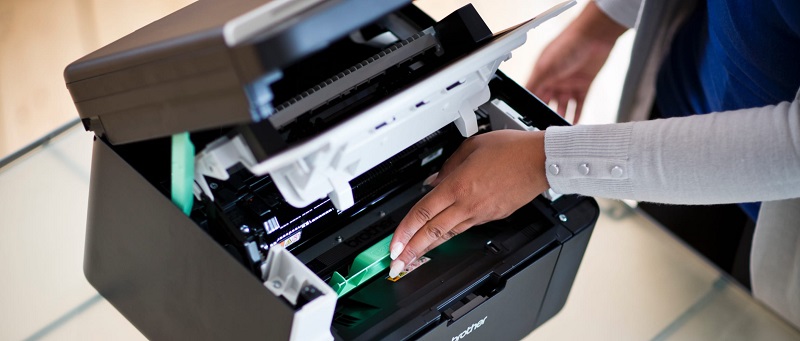
Although laser printers might seem complex, their operation is straightforward once you understand the basic steps involved. When you send a document to print, the printer first converts the data into a pattern of tiny dots. Then, a laser beam projects this pattern onto a rotating drum coated with a photosensitive material.
The laser’s light changes the electric charge on specific areas of the drum, creating an invisible image. Next, the drum attracts toner particles only where the laser has altered the charge. These toner particles are then transferred onto paper.
Finally, heat and pressure fuse the toner to the paper, producing a crisp, durable print. Knowing this process helps you appreciate how laser printers deliver fast, high-quality prints efficiently.
Components of a Laser Printer
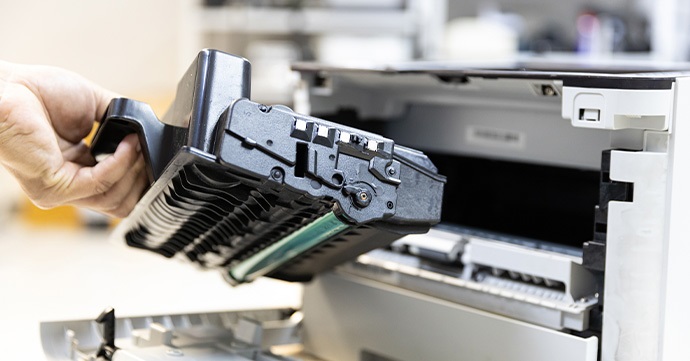
Understanding how a laser printer creates an image on paper is just the start. To really get it, you need to know its key components. First, there’s the laser scanner, which draws the image onto the drum by charging specific areas.
The photosensitive drum then attracts toner particles where the laser hits, forming your image. You’ll also find the toner cartridge, filled with fine powder that sticks to the drum. The transfer roller moves the toner from the drum onto the paper.
Finally, the fuser assembly uses heat and pressure to permanently bond the toner to the paper. Each part works together seamlessly, so when you hit print, your document appears sharp and clear in seconds.
Advantages of Using Laser Printers
Why choose a laser printer over other types? If you print frequently or need crisp, professional-looking documents, a laser printer is a smart choice. You’ll benefit from faster printing speeds, allowing you to finish large jobs quickly without long waits.
Laser printers also produce sharp, clear text and graphics, so your documents look polished every time. Plus, they handle high-volume printing efficiently, which helps reduce costs per page. Another advantage is that laser printers require less maintenance since toner cartridges last longer and don’t dry out like ink.
You’ll also appreciate their reliability and consistency, especially in busy office environments. Overall, laser printers offer speed, quality, and durability, making them a practical option if you want efficient, high-quality printing.
Comparing Laser Printers With Inkjet Printers
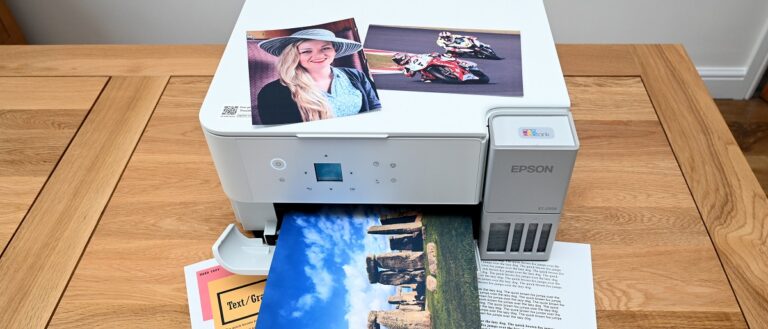
How do laser printers stack up against inkjet printers when it comes to your printing needs? Laser printers are typically faster and better for high-volume printing, while inkjets excel at producing vivid color and photo-quality prints.
Your choice depends on what you value more: speed and efficiency or rich detail and color accuracy.
| Feature | Which You’ll Love |
|---|---|
| Speed | Laser printers save your time |
| Print Quality | Inkjets bring photos to life |
| Cost per Page | Laser printers trim ongoing expenses |
Common Uses for Laser Printers
If speed and efficiency matter most to you, laser printers are a solid choice for many tasks. They’re perfect for printing large volumes of documents quickly, making them ideal for office environments where time is essential. You’ll find them especially useful for printing text-heavy reports, contracts, and invoices with sharp, professional quality.
Schools and businesses often rely on laser printers because they handle continuous print jobs without frequent interruptions. If you need to print black-and-white documents regularly, laser printers save you money on ink and offer consistent results. While they’re not the best for photo printing, they excel at everyday tasks where clarity and speed are key.
Frequently Asked Questions
How Long Does a Laser Printer Typically Last?
You can expect a laser printer to last around 3 to 5 years with regular use, but proper maintenance and occasional part replacement can extend its lifespan considerably, sometimes even beyond 7 years.
Are Laser Printers Safe for Home Use?
Yes, laser printers are safe for home use. Just make sure you use them in well-ventilated areas to avoid inhaling toner particles, and follow the manufacturer’s instructions.
This will help keep everything running smoothly and safely.
Can Laser Printers Print on Fabric or Other Materials?
Sure, you can print on fabric with a laser printer—just picture your shirt turning into a smoky, melted masterpiece.
But seriously, while possible, it’s tricky and risks damage; specialized printers or transfers work better for fabric.
What Maintenance Is Required for Laser Printers?
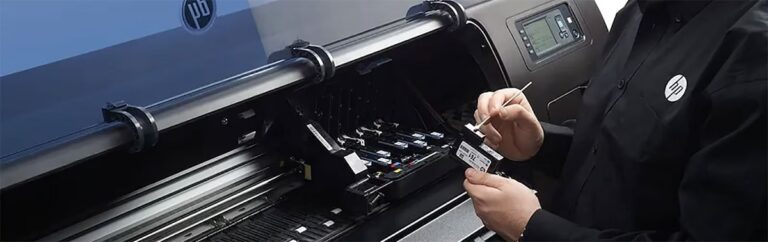
You’ll need to replace toner cartridges, clean the drum unit, and occasionally clear paper jams.
Also, keep the printer dust-free and update firmware to guarantee smooth performance and avoid print quality issues over time.
Do Laser Printers Consume More Electricity Than Inkjet Printers?
Laser printers usually consume more electricity than inkjet printers, especially during warm-up and printing.
You’ll notice higher energy use due to the fuser heating element, but in standby mode, they can be more efficient.
Conclusion
So, if you’re tired of waiting forever for your inkjet to dry or watching it drip like a leaky faucet, a laser printer might just be your new best friend. It zaps your documents with laser precision, making your printing faster and less messy—because who doesn’t want their office to look like a sci-fi movie set?
Just don’t be surprised when you start feeling like a tech wizard every time you hit “print.” A laser printer offers the perfect blend of speed and quality, transforming your printing experience. When considering what is a laser printer, remember it’s designed to deliver efficiency and crisp results every time you use it.