What Is the Standard Printer Paper Size
The standard printer paper size depends on your location and is essential for proper printing. If you’re in North America, you’ll most likely use Letter size, measuring 8.5 by 11 inches.
Elsewhere, especially in Europe and Asia, A4 paper (210 by 297 mm) is the norm.
Each size fits different printer settings, so choosing the right one helps avoid jams and misaligned prints. Understanding these differences can help you get the best quality and compatibility when printing documents.
Selecting the correct standard printer paper size ensures smooth operation and professional results.
Key Takeaways
- The most common standard printer paper size internationally is A4, measuring 210 x 297 mm (8.27 x 11.69 inches).
- In North America, the standard printer paper size is Letter, measuring 8.5 x 11 inches.
- A4 and Letter sizes differ in width and height, affecting document formatting and printer settings.
- ISO 216 standardizes A-series paper sizes with an aspect ratio of 1:√2 for easy scaling and folding.
- Selecting the correct standard paper size in printer settings prevents misalignment, paper jams, and printing errors.
Common Printer Paper Sizes Around the World
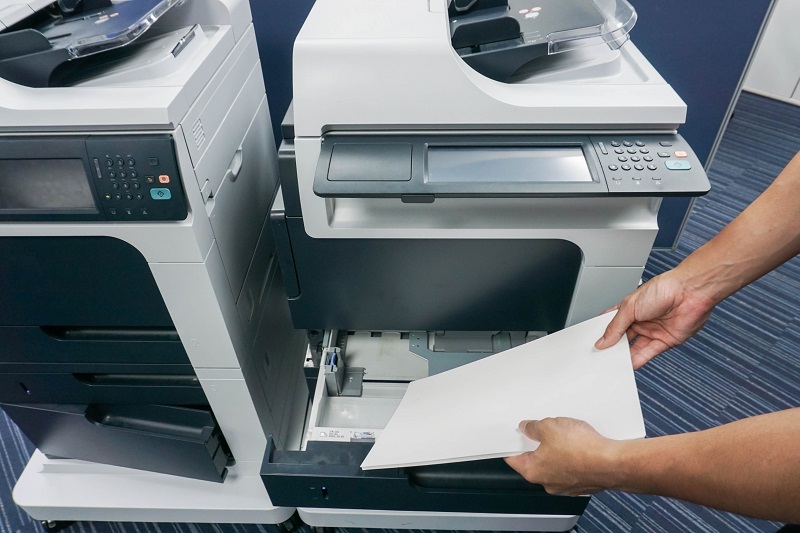
Although printer paper sizes vary globally, you’re most likely to encounter a few standard formats depending on where you are. In many countries, especially across Europe and Asia, the A-series paper sizes, like A4, dominate. You’ll find A4 used for everything from letters to official documents.
Meanwhile, in the United States and Canada, the Letter size is the go-to choice, slightly different in shape and size from A4. Other regions might use sizes like Legal or Executive for specific purposes, but those two standards—A4 and Letter—are what you’ll see most frequently. Knowing these common formats helps you prepare documents correctly, whether you’re printing at home, work, or sending files internationally.
It’s pretty handy to be aware of these differences to avoid printing mishaps.
Dimensions of Standard Printer Paper
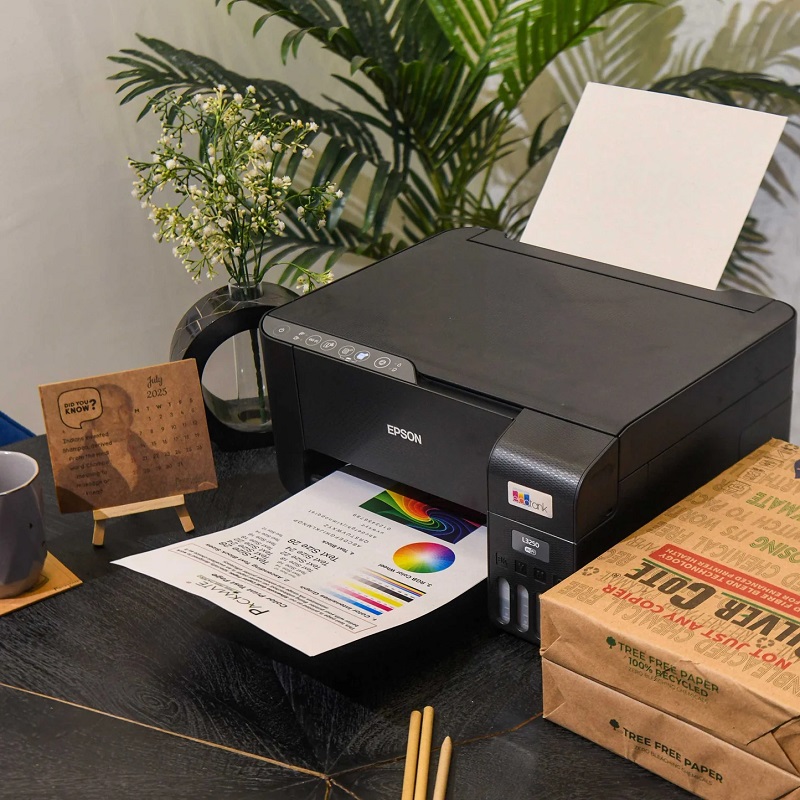
There are a handful of standard dimensions you’ll want to know when dealing with printer paper. The most common size, especially in North America, is Letter, measuring 8.5 by 11 inches. If you’re working internationally, you’ll likely encounter A4 paper, which is 210 by 297 millimeters (about 8.27 by 11.69 inches).
Legal size paper, often used for contracts, is longer at 8.5 by 14 inches. Other sizes like Tabloid (11 by 17 inches) are used for larger prints. Knowing these dimensions helps you choose the right paper for your printer and project, avoiding issues with formatting or paper jams.
Always check your printer’s specifications to guarantee it supports the size you need.
The Origin of Standard Paper Sizes
You might wonder how the paper sizes we use every day came to be standardized. It all started with historical developments and was shaped profoundly by the German DIN standards.
Understanding this process helps you see why international paper sizes are so consistent today.
Historical Paper Size Development
How did the standard paper sizes we use today come to be? It all started centuries ago when paper was handmade, and sizes varied widely depending on the region and the maker. You’d find papers tailored for specific uses, like letters, books, or official documents, with no real uniformity.
As printing technology advanced, the need for consistent sizes became clear to streamline production and reduce waste. Early attempts to standardize paper sizes happened in Europe, where papermakers and printers sought practical dimensions that could be easily halved or doubled. This historical development laid the groundwork for the more formal standards you’re familiar with now.
Understanding this evolution helps you appreciate why certain sizes feel so natural and efficient when you use them.
International Standardization Process
Why do standard paper sizes follow such precise proportions? It all started with the need for uniformity across borders, making printing, copying, and filing more efficient worldwide. The international standardization process began in the early 20th century, aiming to create a logical system based on consistent ratios.
This led to the adoption of an aspect ratio of 1:√2, which means when you fold a sheet in half parallel to its shorter sides, the halves retain the same proportion. You’ll find this principle in the ISO 216 standard, established by the International Organization for Standardization. By adhering to this system, you can easily scale documents up or down without distorting their layout.
This global agreement ensures compatibility and simplifies paper use everywhere you go.
Influence of German DIN Standards
Where did the concept of standardized paper sizes actually begin? It started in Germany with the Deutsches Institut für Normung (DIN). Back in 1922, they introduced the DIN 476 standard, which defined the A-series paper sizes you’re familiar with today, like A4.
This standard made it easy for you to scale documents up or down without changing proportions, thanks to its consistent aspect ratio of √2:1. The practicality of these sizes caught on quickly, influencing many countries and eventually becoming the basis for the international ISO 216 standard.
Differences Between A4 and Letter Size Paper
Wondering what sets A4 and Letter size paper apart? The main difference lies in their dimensions. A4 measures 210 x 297 mm (8.27 x 11.69 inches), while Letter size is slightly wider at 8.5 x 11 inches (216 x 279 mm).
This means A4 is taller but narrower compared to Letter. Because of this, documents formatted for one size might not fit perfectly on the other, which can affect printing and layout. A4 is the international standard used by most countries, whereas Letter size is the standard in the United States and Canada.
While both are similar in area, these small differences impact how your documents appear and fit in folders or binders. Knowing this helps you avoid printing issues when working with different paper sizes.
Choosing the Right Paper Size for Your Printer
Understanding the differences between A4 and Letter paper sizes is a good starting point when choosing the right paper for your printer. You’ll want to pick a size that matches your typical printing needs and the geographic standards you work with. Here are some points to *regard*:
Start by understanding A4 and Letter sizes to match your printer and regional printing standards.
- Check your printer’s specifications to confirm supported paper sizes.
- Consider the region you’re in; A4 is common internationally, while Letter is preferred in the US and Canada.
- Think about the type of documents you print most often, such as letters, reports, or forms.
- Factor in paper availability and cost in your area.
- If you frequently share documents, choose a size that’s widely accepted by your contacts.
Impact of Paper Size on Printing Quality
Although paper size might seem like a minor detail, it can considerably affect your printing quality. When you use a paper size that doesn’t match your printer’s specifications, you risk misaligned prints, unexpected cropping, or uneven margins. Your printer’s sensors and rollers are calibrated for standard sizes like A4 or Letter, so using non-standard sizes can cause jams or skewed text and images.
Additionally, the resolution and ink distribution depend on the paper area; if the paper is too small or large, your print might appear stretched or compressed. To get crisp, professional results, always select a paper size compatible with your printer and the document layout. This simple step guarantees your prints come out exactly as intended, without compromising quality.
Printer Settings for Different Paper Sizes
When you print, selecting the correct paper size like A4 or Letter is key to getting the best results. You’ll need to adjust your printer settings to match the paper size you’re using. This helps prevent misaligned prints and guarantees your document looks just right.
Common Paper Size Options
Adjusting your printer settings can seem tricky, especially with the variety of paper sizes available. Knowing the common paper size options helps you select the right one for your print job without hassle.
Here are some widely used paper sizes you’ll encounter:
- Letter (8.5 x 11 inches): Standard in the US for everyday documents.
- A4 (210 x 297 mm): Common worldwide, especially in offices and schools.
- Legal (8.5 x 14 inches): Used for contracts and legal documents.
- Executive (7.25 x 10.5 inches): Smaller, professional stationery size.
- Tabloid (11 x 17 inches): Ideal for posters, newsletters, and large formats.
Understanding these options ensures your prints come out correctly, matching your project’s needs perfectly.
Adjusting Printer Settings
Knowing the common paper sizes is just the first step—you’ll also need to set your printer correctly to match the size you’ve chosen. Before printing, access your printer’s settings menu either on your computer or directly on the printer’s control panel. Select the appropriate paper size from the list—this could be Letter, A4, Legal, or any custom dimension you’re using.
Make sure to check that the paper type and tray selection align with your chosen size to avoid jams or misfeeds. If you’re printing from software, double-check the page setup dialog to ensure the document size matches your printer settings. Adjusting these settings properly guarantees your printouts come out perfectly aligned and sized, saving you time and paper.
Paper Size Impact
Since different paper sizes vary in dimensions and thickness, your printer settings need to match these specifics to guarantee peak print quality. If you don’t adjust settings properly, you risk paper jams, misalignments, or poor ink distribution. When selecting paper size in your printer menu, make sure it corresponds exactly with the paper loaded.
Consider these key impacts of mismatched settings:
- Incorrect margins causing content to be cut off
- Ink smudging from improper paper thickness calibration
- Increased chances of paper jams due to wrong feed adjustments
- Wasted ink and paper from misaligned print areas
- Reduced print resolution when scaling doesn’t fit the paper size
Specialty Paper Sizes for Unique Printing Needs
Why would you choose specialty paper sizes over standard ones? Sometimes, your project demands something different—like invitations, brochures, or custom labels—that standard sizes just can’t accommodate. Specialty paper sizes cater to these unique printing needs, offering dimensions tailored for specific purposes.
For instance, you might use A6 for postcards or legal size for official documents. Choosing the right specialty size guarantees your printed material looks professional and fits perfectly without awkward trimming. Plus, it can enhance the overall design and functionality of your project.
Just keep in mind that not all printers support every specialty size, so you’ll want to check your printer’s capabilities before printing. Using specialty paper sizes can make your work stand out in a crowd.
Frequently Asked Questions
Can I Recycle Standard Printer Paper After Use?
Yes, you can recycle standard printer paper after use, as long as it’s free from heavy ink, staples, or plastic coatings.
Just make sure to place it in your recycling bin, and avoid shredded paper if your program doesn’t accept it.
What Is the Best Paper Thickness for Standard Printing?
You don’t want paper so thick it doubles as a doorstop or so thin it tears at a glance.
Go for 20 lb (75-80 gsm); it’s like Goldilocks’ choice—just right for standard printing.
How Does Humidity Affect Standard Printer Paper?
Humidity makes your printer paper absorb moisture, causing it to warp or stick together. This can lead to jams and poor print quality, so you’ll want to store paper in a cool, dry place to keep it working smoothly.
Are Standard Printer Papers Compatible With All Ink Types?
Standard printer paper works with most ink types, but you’ll get the best results using inkjet or laser-specific paper. Using the wrong paper can cause smudging or poor print quality, so always check compatibility first.
What Is the Environmental Impact of Producing Standard Printer Paper?
You should know producing standard printer paper uses lots of water, energy, and trees, which impacts forests and ecosystems.
However, choosing recycled or sustainably sourced paper can help reduce your environmental footprint considerably.
Conclusion
Think of standard printer paper sizes like the roads your ideas travel on—A4 and Letter sizes are the highways most used worldwide. Just like a car fits best on the right road, your printing turns out smoother when you select the correct paper size. For example, using A4 in the U.S. is like driving on the wrong side—possible but tricky.
Picking the right size guarantees your work arrives perfectly, every time. Understanding the standard printer paper size helps avoid formatting issues and wasted resources. Whether it’s A4, commonly used internationally, or Letter size, preferred in the U.S., choosing the correct standard printer paper size ensures your documents look professional and print accurately.