What Is a Printer in the Edo Period Called
If you’re curious about what a printer in the Edo period is called, they were known as “surimono-shi.” These skilled artisans mastered woodblock printing with remarkable precision.
They weren’t just craftsmen but respected contributors to culture, working closely with artists and publishers to create beautiful prints and books.
Using materials like cherry wood, handmade washi paper, and handcrafted ink, their work shaped Edo’s vibrant urban culture.
Keep exploring to uncover how their craft influenced society and evolved into modern printing methods.
Key Takeaways
- Printers in the Edo period were primarily called “surimono-shi,” skilled in woodblock printing techniques.
- The broader term “hanga-shi” referred to all printmakers involved in carving and printing woodblocks.
- These printers worked closely with artists and publishers to produce high-quality cultural and artistic prints.
- Printers held a respected social status as cultural contributors despite being commoners outside the samurai class.
- Their craftsmanship was essential to Edo society, blending artistry with precise manual printing methods.
Historical Context of Printing in the Edo Period
Although printing technology had existed in Japan long before the Edo period, it was during this era that it truly flourished, shaping the way information spread throughout society. You’d find that the rise of woodblock printing made books, newspapers, and artwork more accessible. This period, spanning from 1603 to 1868, saw an increase in literacy and a growing demand for printed materials among merchants, samurai, and commoners alike.
As you explore this time, you’ll notice that printing wasn’t just about mass production; it also became a critical tool for education, entertainment, and religion. So, when you think about printing in the Edo period, remember it was a dynamic part of everyday life, connecting people and ideas like never before.
The Term Used for Printers in Edo Japan
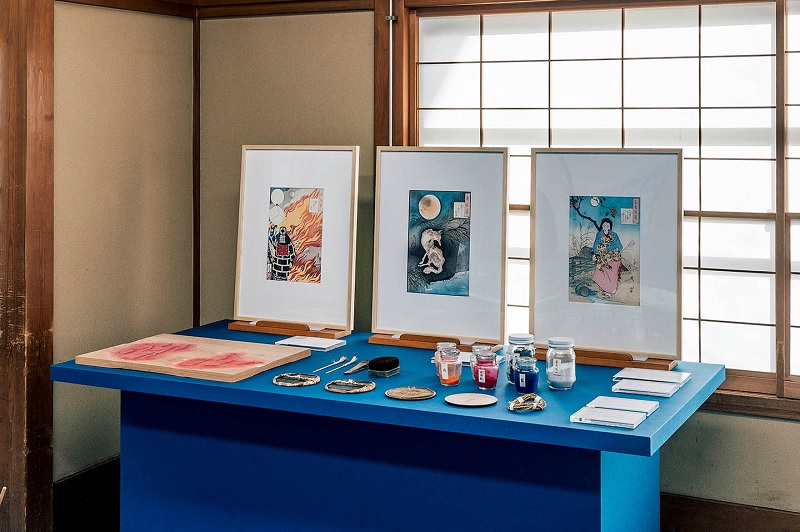
When you look into Edo Japan’s printing world, you’ll find that printers were commonly called “surimono-shi.” This term specifically referred to those skilled in woodblock printing, responsible for producing everything from books to intricate artworks. Surimono-shi weren’t just craftsmen; they were artists who carefully carved and printed designs with great precision.
You’d also encounter the term “hanga-shi,” which referred more broadly to printmakers involved in creating woodblock prints. These printers worked closely with publishers and artists to bring popular literature and images to life. Understanding these terms helps you appreciate how specialized and respected printing was in Edo society,
highlighting the printers’ essential role in spreading culture and information during that era.
Printing Techniques Common in the Edo Era
When exploring printing in the Edo period, you’ll notice woodblock printing was the main technique used. You’ll also find that ink was carefully applied by hand to guarantee quality.
Plus, different types of paper played a big role in how the final prints looked and lasted.
Woodblock Printing Method
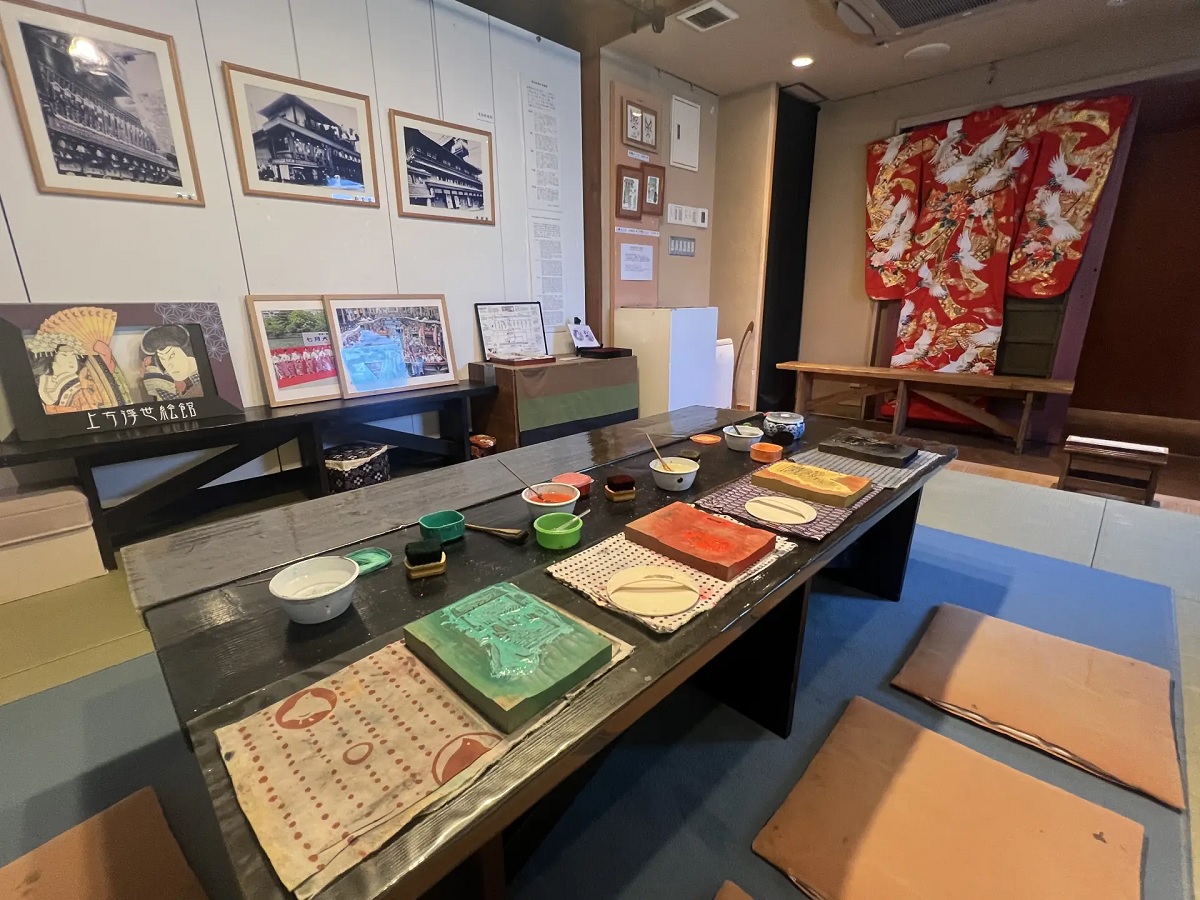
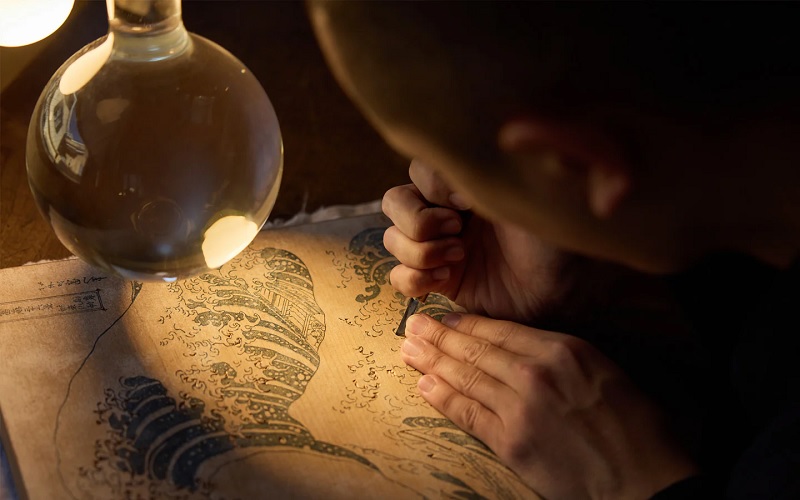
Since woodblock printing was the most widespread technique during the Edo period, you’d find it used for everything from books to artwork. The process involved carving an image or text in reverse onto a wooden block, typically cherry wood for its durability. Once carved, the block was inked and pressed onto paper, producing sharp, clear impressions.
You’d often see multiple blocks used for colored prints, with each block applying a different hue. Precision was key—alignment, or registration, ensured colors matched perfectly. This method allowed for mass production of detailed illustrations and written works, making literature and art more accessible.
If you tried it yourself, you’d appreciate the skill and patience needed to carve fine details and maintain consistent printing quality throughout the run.
Handcrafted Ink Application
Woodblock printing relied heavily on how ink was applied by hand, shaping the final image’s quality and vibrancy. You’d use a brush or a small pad called a “baren” to carefully spread ink onto the carved woodblock. The amount of ink and pressure you apply mattered a lot — too much, and the print would blur; too little, and it’d look faded.
You had to skillfully control the ink’s consistency and how evenly it covered the surface, ensuring sharp lines and rich colors. Often, you’d apply different colors in separate stages, waiting for each to dry before moving on. This handcrafted approach gave each print a unique character and reflected the printer’s expertise during the Edo period.
Paper Types Used
How did printers in the Edo period choose the right paper for their art? You’d find they carefully selected paper based on texture, absorbency, and durability, vital for woodblock prints. Washi, a handmade paper, was the favorite because it held ink well without bleeding.
Different types of washi suited varied artistic needs, from fine details to bold colors.
| Paper Type | Characteristics |
|---|---|
| Hosho | Thin, smooth, ideal for fine details |
| Tengujo | Very thin, translucent, delicate prints |
| Shirogami | Bright white, strong, vibrant colors |
| Mino | Durable, slightly textured, everyday use |
| Gampi | Glossy, smooth, luxurious finish |
You’d notice each paper shaped the final artwork’s look and feel.
The Role of Printers in Edo Society
You might not realize how important printers were in Edo society, using specific techniques to produce everything from books to artwork. Even though their skills were highly valued, printers often held a modest social status compared to other artisans.
Let’s explore how their craft shaped culture and where they stood in the social hierarchy.
Printing Techniques Used
Although printing in the Edo period might seem straightforward, the techniques involved were quite sophisticated and essential to society. If you explore this world, you’ll notice several key methods that shaped the era’s printed works:
- Woodblock Printing – Carving intricate designs into wooden blocks, which were then inked and pressed onto paper.
- Hand-Coloring – Adding vibrant colors by hand to enhance black-and-white prints.
- Multi-Block Printing – Using separate blocks for different colors, requiring precise alignment.
- Letterpress Techniques – Though less common, movable type was sometimes used for text.
Social Status of Printers
Mastering sophisticated printing techniques was just one part of the Edo period’s vibrant print culture. You’d find that printers held a unique position in society—they weren’t just craftsmen but essential cultural contributors. Although not part of the elite samurai class, printers enjoyed respect for their role in spreading literature, art, and knowledge.
You might be surprised to learn they often collaborated closely with publishers and artists, forming a creative network that influenced public opinion and taste. However, their social status was somewhat complex: while they earned steady income and recognition, they were still considered commoners.
Materials and Tools Used by Edo Period Printers
While the printing techniques of the Edo period were innovative, the materials and tools they relied on were just as essential to their success. If you immerse yourself in their world, you’d see how carefully chosen each item was to produce those delicate prints.
Here are the key materials and tools you’d encounter:
- Woodblocks – Carved meticulously from cherry wood to create detailed images and text.
- Ink (Sumi) – Made from soot and animal glue, providing rich, lasting black tones.
- Washi Paper – Durable handmade paper that absorbed ink well without bleeding.
- Baren – A handheld tool used to press paper evenly onto the inked woodblock for a clean transfer.
Understanding these essentials helps you appreciate the craftsmanship behind Edo period printing.
Famous Printing Workshops and Printers
If you’ve ever admired the intricate prints from the Edo period, chances are they came from one of a few renowned workshops or the hands of celebrated printers. These experts, known as hanga-shi, operated in bustling cities like Edo and Osaka, perfecting techniques that made woodblock prints famous. You’d find that workshops often specialized—some focused on ukiyo-e prints, while others tackled books or calendars.
Their reputation depended on quality and innovation.
| Workshop/Printer Name | Specialty/Contribution |
|---|---|
| Katsukawa Shunsho | Ukiyo-e portraits and actors |
| Nishimura Yohachi | Publisher, supported many artists |
| Tsutaya Jūzaburō | Famous for collaborations with Hokusai |
Knowing their names helps you appreciate the craftsmanship behind Edo prints.
Influence of Printing on Edo Culture and Literature
Because printing became more accessible during the Edo period, you could easily find books, prints, and calendars that spread new ideas and entertainment throughout society. This accessibility transformed culture and literature in several key ways:
- Popularized ukiyo-e prints, making art affordable and widely appreciated.
- Enabled the spread of kabuki play scripts and literary works, boosting literacy.
- Allowed satirical and educational texts to reach a broader audience, influencing public opinion.
- Facilitated the creation of illustrated novels, blending visual and written storytelling.
As you explore Edo culture, you’ll see how printing wasn’t just a technology but a catalyst for cultural exchange and creativity. It helped shape a vibrant urban culture where information and art flourished beyond the elite.
Transition From Edo Period Printing to Modern Methods
As you trace the evolution of printing from the Edo period, you’ll notice a significant shift toward modern techniques that revolutionized production and distribution. During Edo times, woodblock printing dominated, requiring skilled artisans to carve and press each page.
Tracing printing’s evolution reveals a shift from Edo woodblock artistry to revolutionary modern techniques.
But as you move into the Meiji era, new technologies like movable type and mechanized presses emerged, speeding up printing and lowering costs. You’ll see how these advances made books and newspapers more accessible, fueling education and information spread.
The changeover also meant printers had to adapt, learning new machinery and methods. By embracing modernization, the printing industry transformed from handcrafted art to industrial efficiency, shaping how knowledge reached people in Japan and beyond.
This shift laid the foundation for the digital printing era you’re familiar with today.
Frequently Asked Questions
What Types of Ink Were Preferred by Edo Period Printers?
You’d find Edo period printers preferring sumi ink, made from soot and animal glue, for its rich black color and durability. They valued its smooth application and vivid contrast on handmade washi paper for woodblock prints.
Sumi ink was especially prized for its ability to produce deep, lasting impressions. This made it ideal for the intricate details characteristic of Edo period woodblock prints.
The ink’s consistency allowed for precise control during the printing process. As a result, it helped achieve the distinct aesthetic that defines this era’s art.
How Long Did It Take to Print a Typical Edo Era Book?
Printing a typical Edo era book usually took several days to a few weeks, depending on the book’s length and complexity.
You’d find the process quite labor-intensive, involving meticulous woodblock carving and careful ink application.
Were Women Involved in Printing During the Edo Period?
You might think women stayed far from Edo printing presses, but actually, they played key roles, especially in tasks like preparing paper and binding.
Did Edo Period Printers Use Color Printing Techniques?
Yes, Edo period printers did use color printing techniques. You’d find them applying multiple woodblocks for different colors, creating vibrant ukiyo-e prints that captured lively scenes and intricate designs.
This showcased impressive craftsmanship for that era.
How Did Edo Printers Preserve Printed Materials?
You’d be amazed to know over 80% of Edo prints survived due to careful preservation. Edo printers used thick washi paper and stored prints away from moisture and sunlight, ensuring their vibrant colors and details lasted centuries.
Conclusion
In the Edo period, printers, known as hanga-shi, were the unseen artisans shaping culture with every carved block. You’ll see that, like the saying goes, “A picture is worth a thousand words,” their work brought stories and knowledge to life in vibrant detail.
As you explore their craft, remember how these printers laid the groundwork for modern techniques, proving that even the smallest tools can leave the biggest marks on history. The legacy of the hanga-shi continues to influence printing and art forms today. Their dedication and skill made them pivotal figures in the cultural landscape of the Edo period.