What Is a Thermal Printer
A thermal printer is a device that uses heat to create images on special heat-sensitive paper, making it a popular choice for printing receipts and shipping labels. This technology is efficient and quiet, eliminating the need for ink or toner. Understanding how a thermal printer works can help you appreciate its benefits and proper maintenance.
Thermal printers come in two main types: direct thermal and thermal transfer. Direct thermal printers create images directly on thermal paper, while thermal transfer printers use a ribbon to produce longer-lasting prints.
Both types have their unique advantages depending on your printing needs.
If you’re interested in learning more about thermal printers, including how they operate and tips for upkeep, keep exploring further. This knowledge will help you make the most of this reliable printing technology.
Key Takeaways
- A thermal printer uses heat and special heat-sensitive paper to print images or text without ink, toner, or ribbons.
- It operates by heating specific spots on thermal paper, causing a chemical reaction that produces the printed output.
- There are two main types: direct thermal (uses heat-sensitive paper) and thermal transfer (uses a heated ribbon to transfer ink).
- Thermal printers are commonly used for printing receipts, labels, barcodes, shipping tags, and tickets.
- They offer fast, quiet, low-maintenance printing with cost efficiency and durable, smudge-resistant prints.
How Thermal Printing Technology Works
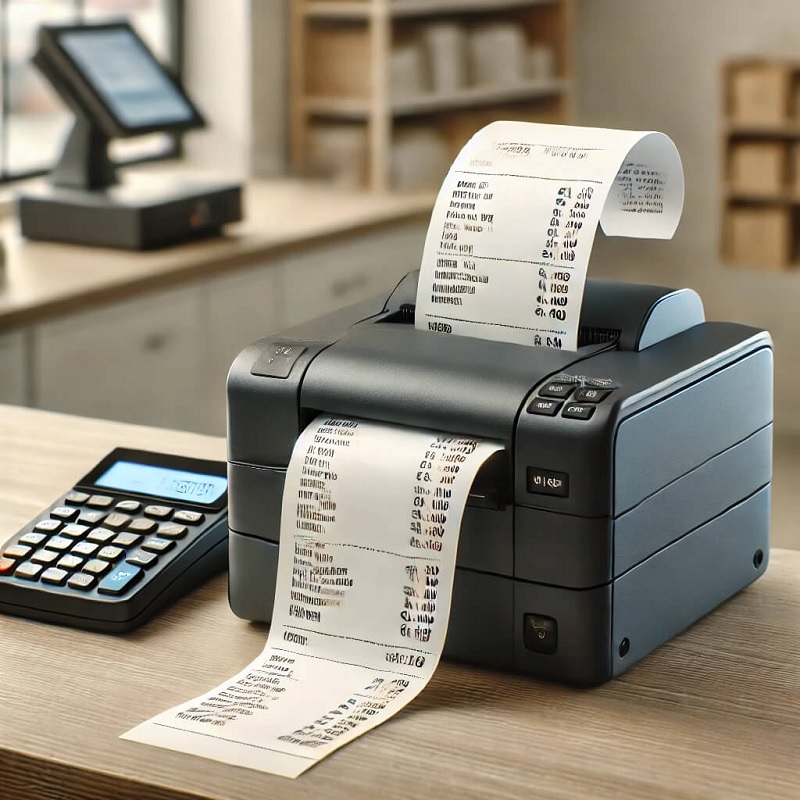
Although thermal printing might seem complex, it works on a straightforward principle: heat activates special paper to create images or text. When you use a thermal printer, a print head containing tiny heating elements selectively heats specific spots on the thermal paper. This paper is coated with a heat-sensitive layer that changes color when heated.
As the print head moves over the paper, it heats precise areas to form your desired image or characters. You don’t need ink or toner because the chemical reaction on the paper itself produces the output. This process lets you print quickly and quietly, making it perfect for receipts, labels, and tickets.
Understanding this simple mechanism helps you appreciate the efficiency and convenience thermal printers offer in everyday tasks.
Types of Thermal Printers
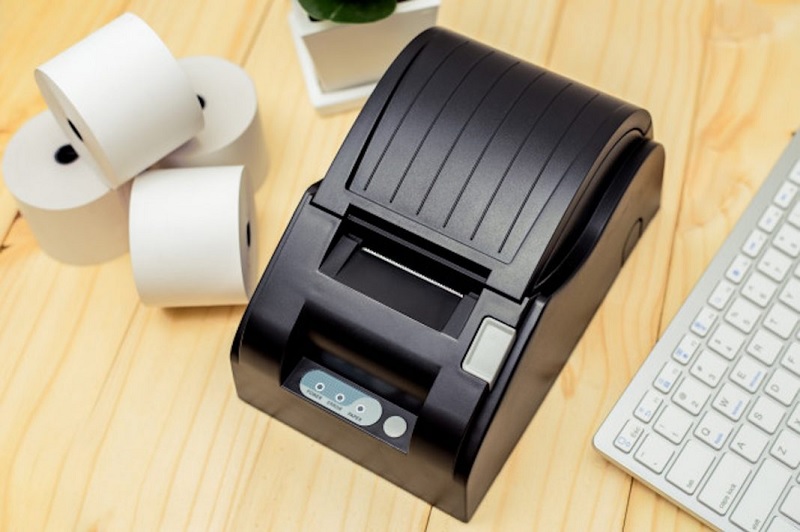
Now that you know how thermal printing works by using heat to activate special paper, it’s helpful to understand the different types of thermal printers available. There are primarily two kinds: direct thermal and thermal transfer printers. Direct thermal printers use heat-sensitive paper that darkens when heated, so you won’t need ink or ribbons.
They’re great for short-term labels like receipts. Thermal transfer printers, on the other hand, use a heated ribbon to transfer ink onto regular paper or synthetic materials, offering more durable, long-lasting prints. You might also find variations like portable thermal printers for on-the-go use and industrial models designed for heavy-duty tasks.
Knowing these types helps you pick the right printer for your specific printing needs.
Common Applications of Thermal Printers
You’ve probably seen thermal printers in retail stores, printing receipts at the checkout. They’re also essential in shipping and logistics for labeling packages efficiently.
Plus, healthcare facilities rely on them for accurate labelling of samples and medications.
Retail and Point-of-Sale
Where would you find thermal printers playing a essential role in everyday shopping? You’ll see them at retail counters and point-of-sale (POS) systems, printing receipts quickly and clearly. When you buy something, the cashier often uses a thermal printer to provide an instant, smudge-free receipt.
These printers handle high volumes without needing ink or toner, which saves time and reduces maintenance. They’re also used to print barcodes, price tags, and promotional labels, helping stores manage inventory and sales efficiently. Because they’re fast, reliable, and cost-effective, thermal printers keep your checkout experience smooth and hassle-free.
Shipping and Logistics
Although thermal printers are well-known for receipts at checkout counters, they’re equally essential in shipping and logistics. When you handle packages daily, you rely on thermal printers to generate clear, durable shipping labels that withstand rough handling and varying weather conditions.
These printers speed up your workflow by quickly producing barcodes and tracking information, making sorting and delivery more efficient. You don’t have to worry about ink smudging or fading since thermal printing uses heat-sensitive paper or labels.
Plus, their compact size and low maintenance mean you can easily set them up in busy shipping stations or warehouses. If you want to streamline your shipping process and reduce errors, thermal printers are a tool you shouldn’t overlook.
Healthcare and Labelling
How do healthcare professionals guarantee accuracy while managing countless patient samples and medications? They rely on thermal printers to produce clear, durable labels that withstand various conditions. When you handle labelling in healthcare, you need prints that resist smudging and fading, ensuring patient safety and precise tracking.
Thermal printers deliver fast, reliable printing of barcodes, wristbands, and specimen labels, minimizing errors and streamlining workflows. You’ll find these printers in hospitals, labs, and pharmacies, where speed and accuracy matter most. Plus, their low maintenance and no-ink design reduce downtime.
Benefits of Using Thermal Printers
When you choose a thermal printer, you’re getting cost efficiency that saves money on ink and supplies. You’ll also appreciate their low maintenance needs and durable design, which means less downtime.
These benefits make thermal printers a smart choice for many businesses.
Cost Efficiency Advantages
Why should you consider a thermal printer for your business? One major reason is cost efficiency. Thermal printers don’t require ink or toner, so you save money on expensive cartridges and ribbons.
Instead, they use heat-sensitive paper, which is often cheaper and easier to manage. Plus, thermal printers consume less power compared to traditional printers, lowering your electricity bills. Since thermal printing is faster, you’ll reduce labor costs by speeding up tasks like labeling or receipt printing.
You also avoid frequent cartridge replacements, cutting down on maintenance expenses. Overall, by choosing a thermal printer, you’re investing in a device that minimizes both your immediate and ongoing costs, making it a smart financial choice for businesses aiming to optimize spending.
Maintenance and Durability
A thermal printer offers impressive maintenance and durability benefits that can save you time and hassle. Since it uses heat to print, there are fewer moving parts compared to traditional printers, which means less wear and tear. You won’t have to worry about replacing ink cartridges or ribbons, reducing maintenance needs.
Plus, thermal printers are designed to withstand tough environments, making them reliable for long-term use.
| Feature | Benefit |
|---|---|
| Fewer moving parts | Less mechanical failure |
| No ink cartridges | Reduced maintenance costs |
| Durable design | Reliable in harsh conditions |
| Simple cleaning | Easy upkeep and longer life |
With these advantages, you’ll enjoy consistent performance and lower downtime.
Key Components of a Thermal Printer
Although thermal printers might seem simple at first glance, understanding their key components will help you appreciate how they produce high-quality prints quickly and efficiently. At the heart of the printer is the thermal print head, which heats up in specific patterns to create images or text on heat-sensitive paper. You’ll also find a platen roller that feeds the paper steadily through the printer, ensuring smooth and accurate printing.
The control circuitry manages the timing and temperature of the print head to maintain ideal print quality. Additionally, sensors detect paper presence and alignment to prevent jams. By knowing these parts, you can better troubleshoot issues and understand why thermal printers are so reliable and fast for various labeling and receipt printing tasks.
Comparing Thermal Printers to Traditional Printers
When you compare thermal printers to traditional printers, you’ll notice several key differences in how they operate and the types of tasks they’re best suited for. Thermal printers use heat to create images on special paper, while traditional printers rely on ink or toner. This leads to distinct advantages and limitations for each type.
- Thermal printers are faster and quieter, ideal for receipts and labels.
- Traditional printers offer higher color quality and versatility for photos or documents.
- Thermal printers require special thermal paper, whereas traditional printers use standard paper.
- Maintenance is simpler with thermal printers since they lack ink cartridges or toners.
Understanding these differences helps you choose the right printer based on your specific printing needs and environment.
Tips for Maintaining Your Thermal Printer
Since thermal printers use heat and special paper instead of ink, they require different care compared to traditional printers. To keep your thermal printer running smoothly, regularly clean the print head with isopropyl alcohol and a soft cloth to remove residue and prevent streaks.
Always use high-quality thermal paper designed for your printer model to avoid jams and poor print quality. Store the printer in a dust-free environment and cover it when not in use to protect internal components. Avoid touching the print head directly, as oils from your skin can cause damage.
Finally, update your printer’s firmware when available to ensure peak performance and compatibility. Following these tips will extend your printer’s lifespan and maintain clear, reliable prints.
Frequently Asked Questions
Are Thermal Printers Safe for Continuous Use?
Yes, thermal printers are safe for continuous use since they generate minimal heat and don’t use ink.
Just make sure to give it breaks if it overheats, and keep it clean to maintain ideal performance.
Can Thermal Printers Print in Multiple Colors?
You can’t print multiple colors with standard thermal printers—they mostly do black and white.
However, some advanced models use color thermal paper or multiple passes to create limited colors, but it’s not common or vibrant like inkjets.
What Is the Typical Lifespan of Thermal Printer Paper?
Thermal printer paper typically lasts 1 to 3 years if stored properly, away from heat, light, and moisture.
If you expose it to harsh conditions, the print can fade much faster, so keep it protected.
Do Thermal Printers Require Special Software?
You don’t need a treasure chest of special software to use thermal printers; they usually work with standard drivers. Just make certain your device supports it, and you’re good to print without any tech headaches or extra downloads.
How Environmentally Friendly Are Thermal Printers?
Thermal printers are relatively eco-friendly since they don’t use ink cartridges, reducing waste. However, their thermal paper contains chemicals and isn’t always recyclable, so you’ll want to contemplate paper disposal and sourcing eco-friendly alternatives.
Conclusion
Now that you’ve gotten a glimpse into the world of thermal printers, you can appreciate how they quietly handle everyday tasks with sleek efficiency. While they might not dazzle like traditional printers, their subtle charm lies in simplicity and reliability.
By choosing thermal printing, you’re opting for a hassle-free, durable solution that keeps your workflow smooth without the usual fuss. Thermal printers require minimal maintenance and produce fast, high-quality prints.
With just a bit of care, your thermal printer will keep quietly doing its job for years to come. This makes thermal printing an excellent choice for businesses and individuals seeking efficiency and long-lasting performance.