What Is an Inkjet Printer
An inkjet printer sprays tiny droplets of ink directly onto paper, creating sharp text and vibrant images. It uses a moving print head with nozzles that precisely place ink from cartridges containing colors like cyan, magenta, yellow, and black.
Inkjet technology has become essential for producing high-quality prints in both homes and offices.
They’ve improved a lot since the 1950s, becoming affordable and great for photos and graphics. This type of printer is known for its ability to deliver detailed images with smooth color transitions.
If you want to know how it works and how to keep it running smoothly, there’s plenty more to explore.
Key Takeaways
- An inkjet printer sprays tiny ink droplets directly onto paper for detailed images and sharp text. It uses a moving print head with nozzles that precisely deposit liquid ink in color patterns. Inkjet printers are compact, affordable, and popular for home and office use with high-quality photo printing.
- They utilize dye-based or pigment inks, balancing vibrant colors with durability depending on needs. Developed since the 1950s, inkjet technology evolved to provide faster speeds, higher resolution, and user-friendly designs.
Definition and Basic Functionality
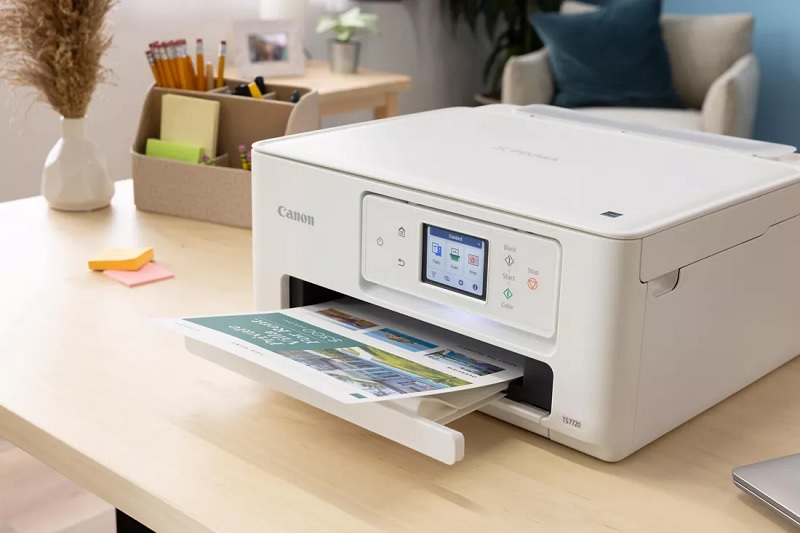
Although you might not think much about how your documents and photos get onto paper, inkjet printers play a crucial role in this process. When you send a file to print, the inkjet printer sprays tiny droplets of ink directly onto the paper. This method allows for detailed images and sharp text.
The printer’s printhead moves back and forth, depositing ink in precise patterns dictated by your digital file. Unlike other printers, inkjets use liquid ink, which dries quickly and produces vibrant colors. You’ll find them especially useful for printing high-quality photos or documents with complex graphics.
Their compact size and affordability make them popular for home and office use. Understanding this basic functionality helps you appreciate the technology behind your everyday printing needs.
History and Development of Inkjet Printers
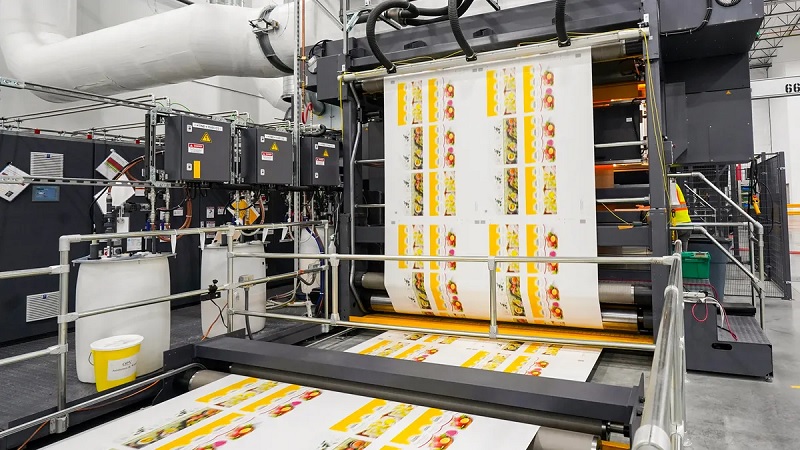
While inkjet printers seem like a modern convenience, their development spans several decades of innovation. You’d be surprised to learn inkjet technology dates back to the 1950s when researchers first experimented with spraying tiny ink droplets onto paper.
By the 1970s, companies like Hewlett-Packard refined this concept, creating reliable devices for commercial use. Throughout the 1980s and 1990s, inkjet printers became more affordable and compact, making them popular for home and office use.
You’ll notice ongoing improvements in print speed, resolution, and ink formulations have continually enhanced quality. Understanding this history helps you appreciate how inkjet printers evolved from experimental machines into the versatile, user-friendly devices you rely on today.
Components of an Inkjet Printer
Now that you know how inkjet printers have evolved over time, it’s helpful to understand what makes them work. You’ll find several key components inside an inkjet printer. First, there’s the print head, which holds tiny nozzles that spray ink onto the paper.
The ink cartridges store the colored inks—usually cyan, magenta, yellow, and black—that the print head uses. You’ll also see a paper feed mechanism, which moves the paper smoothly through the printer. The carriage holds and moves the print head back and forth.
Ultimately, the control circuitry manages the printer’s operations and communication with your computer. Each part plays a critical role, ensuring you get sharp, vibrant prints every time.
How Inkjet Printers Work
Because inkjet printers rely on precise mechanisms, understanding how they work can help you troubleshoot or choose the right model. When you send a document to print, the printer’s tiny nozzles spray microscopic droplets of ink directly onto the paper. These droplets combine to form sharp text and vivid images.
The print head moves back and forth, controlled by motors, ensuring ink is applied in the exact spots needed. Meanwhile, the paper feeds through smoothly, synchronized with the print head’s movements. This precise coordination allows for high-resolution prints.
Knowing this, you can appreciate why clogged nozzles cause streaks or why proper alignment matters. Understanding these basics helps you maintain your printer and select one that fits your printing needs perfectly.
Types of Ink Used in Inkjet Printers
When choosing ink for your inkjet printer, you’ll mainly encounter dye-based and pigment inks. Dye-based inks offer vibrant colors but can fade faster, while pigment inks provide better durability and water resistance. Understanding these differences will help you pick the right ink for your needs.
Dye-Based Ink Features
Although dye-based inks may not be as water-resistant as pigment inks, they offer vibrant colors and smooth gradients that you’ll appreciate for photo printing and detailed images. These inks dissolve colorants in a liquid solution, allowing them to penetrate paper fibers deeply, which results in bright, vivid prints. You’ll find dye-based inks excel at producing a wide color gamut, making your photos pop with realism.
However, since they sit within the paper rather than on top, they can be more prone to fading over time when exposed to light or moisture. If you prioritize rich color and fine detail in your prints over longevity, dye-based inks are a solid choice. Just be mindful of their sensitivity to water and avoid placing prints where they might get wet.
Pigment Ink Benefits
Why choose pigment inks for your prints? Pigment inks offer superior durability and color stability compared to dye-based inks, making them ideal for long-lasting, professional-quality prints. You’ll notice that pigment particles sit on the paper’s surface rather than soaking in, which helps maintain sharpness and vibrancy over time.
Here are some key benefits of pigment inks:
- Fade resistance: Prints resist sunlight and water damage better.
- Archival quality: Perfect for photos and important documents you want to keep.
- Less bleeding: Produces crisp text and fine details, great for graphics.
- Wide media compatibility: Works well on coated and uncoated papers.
If you want prints that stand the test of time, pigment inks are an excellent choice.
Advantages of Using Inkjet Printers
Because inkjet printers use tiny droplets of ink to create images, they can produce vibrant colors and fine details that you won’t easily get with other types of printers. This means your photos and documents will look sharp and rich, whether you’re printing at home or in the office.
Inkjet printers are usually more affordable upfront, so you don’t have to invest heavily to start printing. They’re also compact and lightweight, making them easy to fit in smaller spaces.
Plus, inkjet technology allows you to print on a variety of media, like glossy photo paper or textured cardstock. If you need high-quality prints without the bulk or cost of larger machines, an inkjet printer could be exactly what you’re looking for.
Common Applications for Inkjet Printing
You probably use inkjet printers at home for everyday tasks like printing documents and school projects. They’re also great if you want high-quality photo prints without visiting a professional lab.
Let’s explore how inkjet printing fits into both casual and professional needs.
Everyday Home Uses
Inkjet printers have become a staple in many households, offering versatile solutions for everyday tasks. Whether you need to print documents, photos, or creative projects, an inkjet printer can handle it all with ease.
You’ll find it especially handy for:
- Printing school assignments and homework
- Creating personalized greeting cards or invitations
- Producing colorful recipes, schedules, or lists
- Scanning and copying important documents
These printers are user-friendly and affordable, making them perfect for the home environment. You won’t have to visit a print shop for basic needs, saving you time and money.
Plus, the ability to print in color adds a personal touch to your projects, making everyday tasks more enjoyable and efficient.
Professional Photo Printing
While inkjet printers are great for everyday home tasks, their capabilities extend far beyond basic printing. If you’re into photography or need high-quality prints, inkjets are a smart choice. They deliver sharp details and vibrant colors, making your photos look professional right from your desk.
You can print on various paper types, including glossy, matte, and fine art paper, which helps you match your prints to the effect you want. Many photographers and artists rely on inkjet printers for proofs or final prints because they accurately reproduce colors and gradients.
Maintenance Tips for Inkjet Printers
Because print quality can deteriorate quickly, regular maintenance is essential to keep your inkjet printer running smoothly. You don’t want clogged nozzles or faded prints ruining your projects.
Regular maintenance prevents clogged nozzles and faded prints, ensuring your inkjet printer performs reliably.
To avoid these issues, make sure you:
- Clean the print head regularly using the printer’s built-in utility or manually if needed.
- Use your printer frequently to prevent ink from drying out inside the cartridges.
- Replace ink cartridges before they run completely dry to maintain consistent color and flow.
- Keep the printer free of dust by wiping it gently with a soft, lint-free cloth.
Frequently Asked Questions
Can Inkjet Printers Print on Fabric or Unusual Materials?
Yes, you can print on fabric or unusual materials with inkjet printers, but you’ll need special fabric sheets or coatings. Without these, the ink might not adhere well or could smudge, so preparation is key for good results.
Using the right materials ensures the print is durable and vibrant. It’s also important to use ink compatible with the fabric type. Otherwise, the print quality may suffer or fade quickly.
How Do Inkjet Printers Compare to Laser Printers in Cost-Efficiency?
Back in the days of the telegraph, you’d find inkjets cheaper upfront but costlier per page, while laser printers cost more initially but save money long-term with faster printing and lower toner expenses—you’ll want to choose based on your volume.
Are There Eco-Friendly Ink Options for Inkjet Printers?
Yes, you can find eco-friendly ink options for inkjet printers, like vegetable-based or water-based inks. These reduce environmental impact by using fewer harmful chemicals and biodegradable materials, making your printing greener and safer.
Eco-friendly inks are designed to minimize toxic waste and are often made from renewable resources. Choosing these inks helps reduce pollution and supports sustainable practices.
Switching to eco-friendly ink is a simple step towards a more environmentally responsible printing routine. It benefits both your health and the planet.
What Are the Best Practices for Storing Ink Cartridges?
You should store ink cartridges in a cool, dry place away from direct sunlight. Keep them sealed in their original packaging or airtight containers to prevent drying out. Always avoid extreme temperatures to maintain ink quality.
Can Inkjet Printers Be Used for 3D Printing Projects?
No, inkjet printers can’t be used for 3D printing projects because they only deposit ink on flat surfaces.
For 3D printing, you’d need a specialized 3D printer that builds objects layer by layer with materials like plastic.
Conclusion
While inkjet printers might seem simple, their intricate technology quietly delivers vibrant images and sharp text right in your hands. You might take their convenience for granted, yet without them, everyday printing would feel slow and cumbersome.
By understanding how they work and caring for them properly, you’ll not only save time and money but also appreciate the delicate balance between art and science that makes inkjet printing so remarkable.
In conclusion, mastering inkjet printer maintenance and operation enhances print quality, efficiency, and longevity. Recognizing the technology behind an inkjet printer helps users unlock its full potential for both personal and professional use.