What Is Normal Size Printer Paper
Normal size printer paper usually means either US Letter (8.5 x 11 inches) or A4 (210 x 297 mm), depending on where you are. These standard paper sizes are essential keywords when selecting paper for printing needs.
If you’re in the US, Canada, or Mexico, Letter size is standard.
Elsewhere, especially in Europe and Asia, A4 is common. These sizes fit most printers and are used for everyday documents.
Using the right size prevents printing issues and guarantees professional results.
Keep your paper properly stored and handled for the best printing quality.
More details about choosing and caring for your paper can help you get the most from your printer.
Key Takeaways
- Normal printer paper size varies by region, with US Letter (8.5 x 11 inches) common in North America and A4 (210 x 297 mm) elsewhere.
- US Letter paper measures 8.5 by 11 inches and suits most printers and official documents in the United States.
- A4 paper, used internationally, measures approximately 8.27 by 11.69 inches and follows the ISO 216 standard.
- The main difference is A4 is slightly taller and narrower, affecting document formatting and compatibility.
- Choosing the correct paper size prevents printer jams and ensures professional, consistent print quality.
Understanding Standard Paper Sizes Worldwide
Although paper sizes vary globally, understanding the most common standards can help you choose the right paper for any project. You’ll find that most countries use either the ISO A series or North American sizes. The ISO A series, including A4, is popular across Europe, Asia, and many other regions.
This system is based on metric measurements and guarantees consistent proportions, making scaling easier. If you’re dealing with documents internationally, knowing this helps avoid confusion. Meanwhile, North America typically uses sizes like Letter and Legal, which differ from ISO dimensions.
The Dimensions of US Letter Size Paper
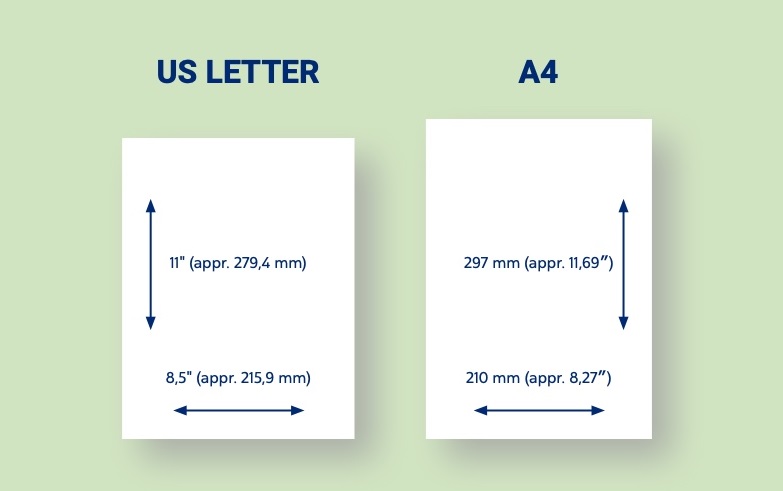
One of the most common paper sizes you’ll encounter in the US is Letter size, which measures 8.5 by 11 inches. This dimension is widely used for everyday printing, copying, and official documents. When you pick up a sheet of Letter size paper, you’re holding a standard that fits perfectly into most printers and filing systems across the country.
Its rectangular shape offers a balanced space for text and images, making it versatile for various tasks. Whether you’re printing reports, letters, or school assignments, this size guarantees compatibility and ease of use. Understanding these measurements helps you select the right paper for your needs and avoid any printing mishaps caused by size mismatches.
The A4 Paper Size and Its Global Use
You might be familiar with A4 paper, which measures 210 by 297 millimeters and is the standard size in most countries worldwide. If you’re working internationally, you’ll notice that many businesses rely on A4 for documents and printing.
Understanding where and why A4 is used can help you navigate global communication more smoothly.
Dimensions of A4 Paper
The A4 paper size measures 210 by 297 millimeters, making it the standard choice for most countries outside North America. When you use A4 paper, you’re working with dimensions that are part of the ISO 216 standard, designed for efficiency and consistency. These measurements translate to about 8.27 by 11.69 inches, which fits perfectly in most printers and office equipment worldwide.
The aspect ratio of A4 paper is √2:1, meaning it maintains its proportions when folded or resized, which is handy for scaling documents. Knowing these exact dimensions helps you choose the right paper for printing, copying, or filing, ensuring your documents look professional and fit standard folders and envelopes without any hassle.
Countries Using A4 Standard
Where exactly is A4 paper the norm? You’ll find A4 as the standard printer paper size in most countries worldwide, except the United States, Canada, and a few parts of Mexico. If you’re in Europe, Asia, Africa, or Australia, chances are you use A4 regularly.
International organizations like the United Nations and ISO also adopt A4 for consistency. This widespread use stems from the ISO 216 standard, which defines A4 dimensions as 210 by 297 millimeters. So, if you’re traveling or exchanging documents internationally, knowing that A4 is the default paper size in these regions helps avoid confusion.
In contrast, the North American Letter size remains dominant in the U.S. and Canada, but globally, A4 is definitely the go-to choice.
A4 Paper in Business
Although many countries rely on different paper sizes, A4 has become the preferred choice for business documents worldwide. When you’re handling contracts, reports, or letters, A4’s consistent dimensions make printing and filing simpler. Its widespread use means you won’t face compatibility issues with printers or copiers, saving you time and hassle.
Here’s why A4 is a business staple:
- Standardization: Ensures uniformity across international documents.
- Efficiency: Fits perfectly in most office folders and filing systems.
- Cost-effective: Reduces waste by matching printers’ default settings.
Differences Between Letter and A4 Paper
You might notice that Letter and A4 papers differ in size, with Letter being slightly wider and shorter. These dimensions affect how documents fit in printers and folders.
Plus, each paper type is preferred in different regions, which can be important depending on where you’re working or printing.
Dimensions Comparison
When comparing Letter and A4 paper, you’ll notice subtle yet important differences in their dimensions that affect printing and document formatting. Letter paper measures 8.5 by 11 inches (215.9 x 279.4 mm), while A4 is slightly narrower and longer at 8.27 by 11.69 inches (210 x 297 mm). These small variations can impact how your documents appear and fit on the page.
Here are three key dimension differences:
- Width: Letter is wider by 0.23 inches (5.9 mm).
- Height: A4 is taller by 0.69 inches (17.6 mm).
- Aspect Ratio: A4’s dimensions follow the ISO 216 standard, giving it a consistent aspect ratio useful for scaling.
Knowing these helps you choose the right paper for your needs.
Regional Usage Differences
Where do Letter and A4 paper sizes dominate around the world? If you’re in the United States, Canada, or Mexico, you’ll mostly encounter Letter size paper (8.5 x 11 inches) as the standard for printing and documents.
On the other hand, if you’re in Europe, Asia, Africa, or most of the rest of the world, A4 paper (210 x 297 mm) is the norm. This regional difference means that printers, paper supplies, and document templates vary depending on where you are.
Common Uses for Normal Size Printer Paper
How often do you reach for a sheet of normal size printer paper in your daily tasks? It’s a staple you probably use more than you realize. Whether at home, school, or work, this paper fits many needs.
Here are three common uses you’ll encounter:
- Printing Documents: From reports to letters, normal size paper is perfect for most standard printer jobs.
- Taking Notes: You can jot down reminders, ideas, or meeting minutes easily on these sheets.
- Craft Projects: It’s also handy for creating flyers, origami, or other simple crafts.
How to Choose the Right Paper Size for Your Printer
Since normal size printer paper suits many everyday tasks, choosing the right paper size for your printer might seem straightforward. However, you need to take into account your printing needs, the printer’s capabilities, and the document type. Check your printer’s specifications to see which sizes it supports.
For example, A4 is perfect for letters and reports, while legal size fits contracts better. Using the correct size avoids paper jams and wasted ink.
Here’s a quick guide:
| Paper Size | Best For |
|---|---|
| A4 | Letters, reports |
| Letter | US standard documents |
| Legal | Contracts, forms |
| A5 | Flyers, small notes |
Choosing right ensures smooth printing and professional results every time.
The Impact of Paper Size on Printing Quality
Although you might not realize it, the size of paper you use can markedly affect your printing quality. Using the right size helps your printer operates smoothly and your documents look professional.
Here are three key ways paper size impacts printing quality:
- Alignment and Margins: Incorrect paper size can cause misaligned text or images, resulting in uneven margins or cut-off content.
- Ink Distribution: On smaller or larger paper than designed, ink may spread improperly, leading to smudges or faded areas.
- Paper Jamming: Using non-standard sizes increases the risk of jams, which can damage your printouts and printer.
Choosing the correct paper size not only protects your printer but also guarantees crisp, clear prints every time.
Tips for Handling and Storing Printer Paper Properly
Properly handling and storing your printer paper guarantees it stays clean and wrinkle-free, which directly affects print quality. Always keep paper in its original packaging until you’re ready to use it to protect against dust and moisture. Store the paper flat in a cool, dry place away from direct sunlight and humidity, as these can cause warping or curling.
When loading paper into your printer, make sure your hands are clean and dry to avoid transferring oils or dirt. Avoid overfilling the tray to prevent jams. If you notice any bent or damaged sheets, remove them before printing.
Following these simple tips helps maintain your paper’s quality and ensures smooth, reliable printing every time.
Frequently Asked Questions
Can Normal Size Printer Paper Be Recycled at Home?
Yes, you can recycle normal size printer paper at home by placing it in your recycling bin. Just make sure it’s clean, dry, and free of staples or heavy ink to guarantee proper recycling.
What Is the Typical Weight of Standard Printer Paper?
The typical weight of standard printer paper is around 20 pounds, like carrying a light backpack. You’ll find it’s sturdy enough for daily use but not too thick to jam your printer.
Are There Environmental Certifications for Normal Printer Paper?
Yes, you can find printer paper with environmental certifications like FSC or PEFC, ensuring sustainable sourcing. Look for recycled paper options too—they help reduce environmental impact while maintaining quality for your printing needs.
How Does Humidity Affect Normal Size Printer Paper?
Humidity’s like a sneaky thief, making your paper curl or warp. You’ll notice it absorbs moisture, causing jams or ink smudges.
To keep prints crisp, store paper in a dry, cool place away from dampness.
Can Normal Printer Paper Be Used in Inkjet and Laser Printers?
Yes, you can use normal printer paper in both inkjet and laser printers. Just make sure the paper weight and finish match your printer’s requirements to avoid jams or poor print quality.
Using the correct paper type helps maintain the printer’s performance and ensures the best results. Normal printer paper is generally suitable for everyday printing needs. However, for special documents or photos, you might want to consider specialized paper.
Conclusion
Now that you know the normal printer paper sizes—whether it’s the familiar US Letter or the globally used A4—you can picture your documents fitting perfectly, like puzzle pieces snapping into place. Choosing the right paper size isn’t just about measurements; it’s about making your printing crisp and professional every time.
So next time you load your printer, imagine the smooth glide of sheets and the sharp clarity of your printouts, all because you picked the perfect paper. Understanding what is normal size printer paper ensures your documents look their best and fit standard printers seamlessly.
With this knowledge, you can confidently select the right paper size for any printing task, enhancing the quality and professionalism of your work.