What Is the Best 3d Printer
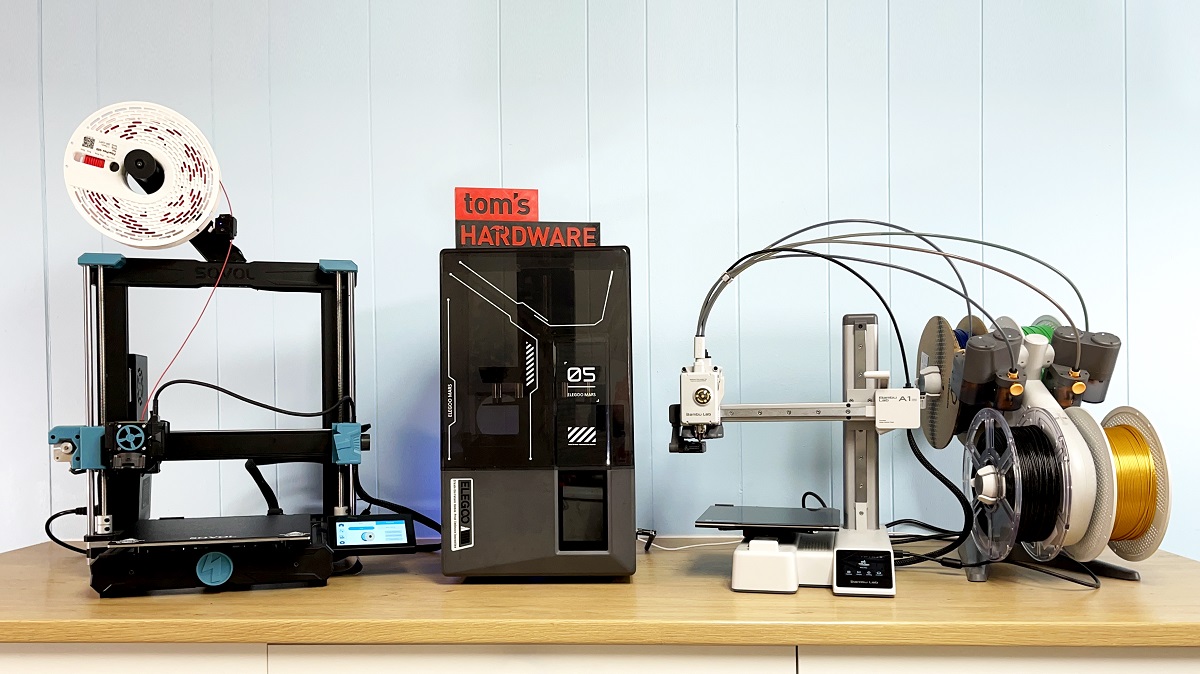
Choosing the best 3D printer depends on what you need—whether it’s detailed resin prints or larger, quick filament builds. Understanding the best 3D printer options can help you make an informed decision tailored to your projects and budget.
For beginners, models like the Creality Ender 3 V2 or Prusa Mini+ offer reliability and ease of use without breaking the bank. These printers are great for learning and experimenting with 3D printing technology.
Pros might look for high precision and multi-material options that support more advanced workflows.
Affordable printers balance quality and cost for hobbyists who want good results without spending too much. To get the most from your purchase, it helps to understand the key features, types, and maintenance tips ahead.
This knowledge ensures your investment lasts and performs well.
Key Takeaways
- The best 3D printer depends on your needs: beginner-friendly, professional-grade, or budget-focused.
- For beginners, Creality Ender 3 V2 and Prusa Mini+ offer reliability, ease of use, and strong community support.
- Professional users benefit from printers with large build volumes, high resolution, multi-material compatibility, and advanced software integration.
- FDM printers suit most users with PLA, ABS, and PETG compatibility, while SLA or resin printers excel in detailed, small projects.
- Consider print quality, speed, material options, and cost balance when choosing the best 3D printer for your projects.
Key Features to Consider When Choosing a 3D Printer
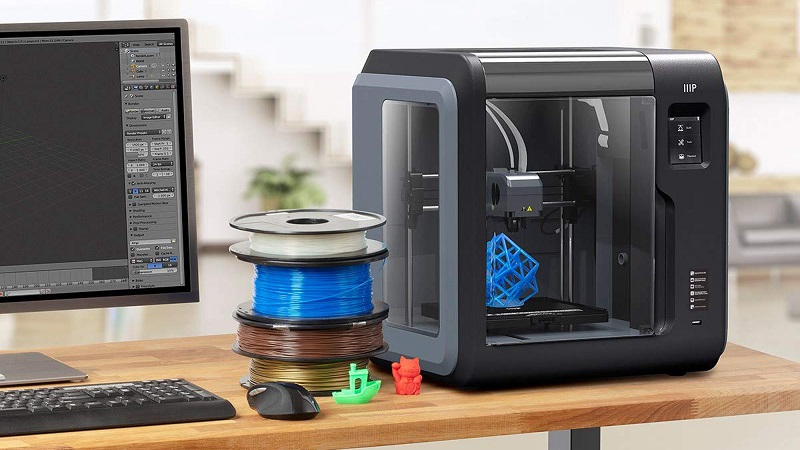
When choosing a 3D printer, it’s essential to focus on features that match your specific needs and skill level. You’ll want to consider build volume first—how big your projects are dictates the printer size you need. Think about print resolution, too; higher resolution means finer details but may take longer.
User-friendliness matters if you’re a beginner, so look for printers with intuitive interfaces and good customer support. Don’t forget material compatibility; some printers only work with specific filaments, limiting your options. Reliability and print speed are also key—consistent quality saves time and frustration.
Finally, factor in your budget, including potential costs for replacement parts or upgrades. Balancing these features helps you pick a 3D printer that truly fits your goals.
Types of 3D Printing Technologies Explained
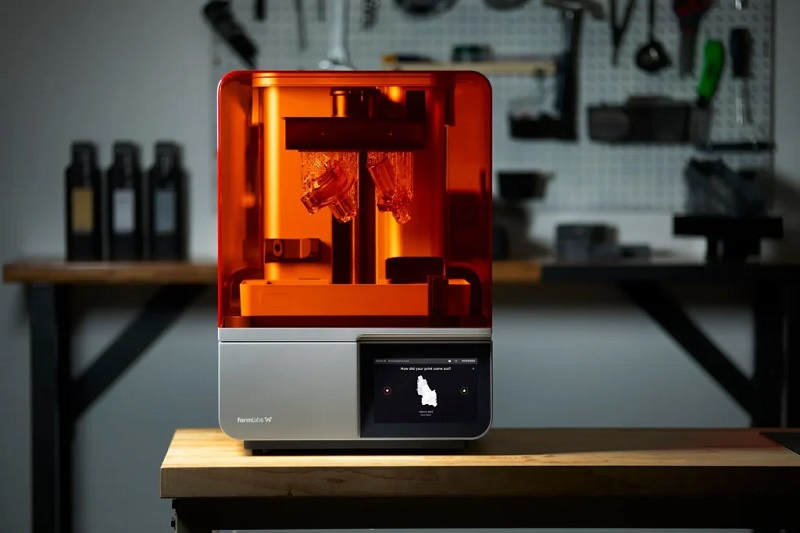
When choosing a 3D printer, it helps to understand the common printing methods like FDM, SLA, and SLS. Each technology works differently and supports different materials, which affects what you can create.
Knowing these differences will help you pick the right printer for your needs.
Common 3D Printing Methods
How does 3D printing actually work? You start with a digital model, which the printer reads to build an object layer by layer. The most common method you’ll encounter is Fused Deposition Modeling (FDM).
It melts plastic filament and deposits it precisely to form shapes. Another popular technique is Stereolithography (SLA), where a laser cures liquid resin, creating highly detailed prints. Selective Laser Sintering (SLS) uses a laser to fuse powdered materials, allowing complex geometries without support structures.
Each method has its strengths—FDM is affordable and user-friendly, SLA offers fine detail, and SLS handles sturdier parts. Understanding these methods helps you pick the right printer for your needs, focusing on the balance between cost, quality, and the type of objects you want to create.
Material Compatibility Differences
Understanding the different 3D printing methods sets the stage for exploring how material compatibility varies across technologies. Each printing process works best with specific materials, influencing the quality, strength, and purpose of your prints. Knowing what materials your printer supports helps you pick the right machine for your projects.
Here’s a quick look at material compatibility differences:
- FDM printers use thermoplastics like PLA, ABS, and PETG.
- SLA printers work with photopolymer resins, great for detailed parts.
- SLS printers handle powdered materials like nylon and some metals.
- DLP printers also use resins but cure them with light patterns.
- Metal 3D printers require specialized metal powders and are pricier.
Choosing the right material and printer combo is key for your success.
Top 3D Printers for Beginners in 2024
Looking for a user-friendly 3D printer that fits your needs and budget? The Creality Ender 3 V2 is an excellent choice, offering reliable prints with easy assembly and a large community for support.
If you want a plug-and-play option, the Prusa Mini+ stands out with its intuitive interface and excellent print quality right out of the box. For those interested in resin printing, the Anycubic Photon Mono provides sharp details and fast curing times, perfect for small, detailed projects.
These models balance affordability, ease of use, and quality, making them ideal for beginners. Whichever you choose, focus on printers with straightforward setup, good customer support, and active user communities to help you get started quickly and confidently.
Best 3D Printers for Professional Use
When you need precision, speed, and durability for complex projects, professional 3D printers are your best bet. These machines handle intricate designs and demanding materials with ease, ensuring your work stands out. You’ll appreciate features like high-resolution printing, robust build volumes, and reliable multi-material support.
Plus, advanced software integration makes workflow smoother, saving you time.
Consider these key traits in professional 3D printers:
- Exceptional layer resolution for fine detail
- Fast printing speeds without sacrificing quality
- Compatibility with industrial-grade materials like carbon fiber and metal
- Large build volume to accommodate bigger projects
- User-friendly interfaces with advanced software controls
Choosing a professional 3D printer means investing in tools that boost your productivity and elevate your craftsmanship.
Affordable 3D Printers Offering Great Value
Professional-grade 3D printers offer impressive capabilities, but they often come with a hefty price tag that’s not suitable for everyone. If you’re new to 3D printing or on a budget, affordable 3D printers can still deliver excellent results without breaking the bank. Models like the Creality Ender 3 and Anycubic i3 Mega combine reliability, decent print quality, and user-friendly features.
These printers are great for hobbyists and beginners who want to explore 3D printing without investing thousands. You’ll find that many budget-friendly printers have active communities, making troubleshooting and upgrades easier. While they might lack some advanced features, they offer impressive value and can handle most basic projects effectively, helping you get started without sacrificing quality.
Essential Accessories and Materials for 3D Printing
Equipping yourself with the right accessories and materials can greatly enhance your 3D printing experience. Having the essentials on hand guarantees smoother prints, better quality, and less frustration.
Beyond the printer itself, these tools and supplies help you prepare, maintain, and finish your projects efficiently.
Here are some must-have accessories and materials:
- Filament spools (PLA, ABS, PETG) suited to your printing needs
- Build surface adhesives like glue sticks or painter’s tape for better bed adhesion
- Precision tools such as tweezers, scrapers, and pliers for post-processing
- Spare nozzles to replace worn or clogged ones quickly
- Cleaning supplies including brushes and isopropyl alcohol to keep your printer in top shape
Getting these will make your 3D printing journey much more enjoyable and productive.
Tips for Maintaining and Troubleshooting Your 3D Printer
Though 3D printers can be reliable, you’ll need to perform regular maintenance and tackle common issues to keep yours running smoothly. Cleaning the nozzle, tightening belts, and lubricating rods prevent wear.
If prints don’t stick, check bed leveling or adjust temperature settings. Troubleshooting quickly saves time and frustration.
| Issue | Possible Cause | Solution |
|---|---|---|
| Poor adhesion | Uneven bed leveling | Re-level bed, clean surface |
| Clogged nozzle | Filament residue | Heat and clean nozzle |
| Layer shifting | Loose belts | Tighten belts, check pulleys |
| Stringing | Excessive extrusion | Lower temperature, adjust retraction |
Frequently Asked Questions
How Safe Is 3D Printing for Home Use?
3D printing at home is generally safe if you follow precautions. You’ll want proper ventilation, avoid inhaling fumes, keep the printer away from kids, and never touch hot parts.
Safety’s key for a smooth experience.
Can 3D Printers Print With Food-Safe Materials?
Imagine you want to print cookie cutters; yes, you can use food-safe materials like PLA or specialized filaments certified for food contact.
Just make sure your printer’s nozzle and environment are clean to avoid contamination.
What Software Is Best for Designing 3D Models?
You’ll want to try software like Tinkercad for beginners, Fusion 360 for more advanced projects, or Blender if you’re into detailed, artistic models.
Each offers unique tools to make designing 3D models easier and fun.
How Long Does It Take to Learn 3D Printing Basics?
How long does it take to learn 3D printing basics? Usually, you can grasp the fundamentals in a few days to a couple of weeks, depending on how much time you dedicate and how quickly you pick up the tech.
Are There Eco-Friendly 3D Printing Options Available?
Yes, you can find eco-friendly 3D printing options like biodegradable PLA filament and recycled materials. You’ll also want to contemplate energy-efficient printers and responsible disposal to minimize your environmental impact while creating.
Conclusion
Choosing the best 3D printer means balancing your needs, budget, and experience level—like picking the perfect quill for your next great novel. Whether you’re just starting out or ready to contemplate professional projects, there’s a machine that fits you. Remember to consider technology types, accessories, and upkeep to keep your printer humming smoothly.
With the right setup, you’ll turn your ideas into reality faster than you can say “Eureka!” When selecting the best 3D printer, focus on key features like print quality, build volume, and ease of use. This approach ensures you find the perfect 3D printer that matches your creative goals and technical requirements.