Why Is Printer Ink so Expensive
You’ll find printer ink pricey because its complex formula needs special chemicals to dry fast, avoid smudging, and work perfectly with your printer.
Printer ink cost is also influenced by manufacturers holding patents that limit competition, keeping prices high. Plus, companies often sell printers cheaply but make profits from costly ink cartridges.
High research costs and how often you print also affect the price. If you want to understand more about what drives these costs and how your printing habits matter, keep exploring the details.
Key Takeaways
- Printer ink requires complex, precise chemical formulations to ensure quick drying, vibrant colors, and printer compatibility.
- Manufacturers hold patents on ink formulas and cartridges, restricting third-party competition and keeping prices high.
- The “razor and blades” business model sells cheap printers but charges premium prices for ink cartridges.
- High research and development costs for ink quality, eco-friendliness, and regulatory compliance increase cartridge prices.
- Consumer printing habits and frequent cartridge replacements contribute to the perception of expensive ink costs.
The Complexity of Ink Formulation and Manufacturing
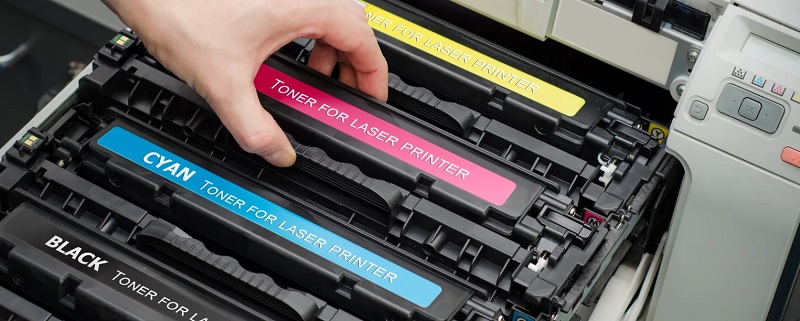
Although it might seem like printer ink is just colored liquid, its formulation is actually a highly complex process. When you think about it, printer ink needs to perform multiple functions: it must dry quickly, adhere well to paper, resist smudging, and produce vibrant colors. Manufacturers carefully blend pigments or dyes with solvents, surfactants, and other additives to achieve this balance.
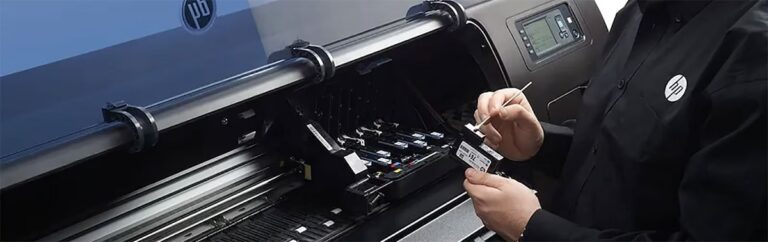
Each component affects the ink’s performance and stability, so precise chemistry is essential. Plus, the ink must be compatible with specific printers to avoid clogging or damage. This meticulous development and testing take time and expertise, which add to the cost.
Patent Protections and Market Control
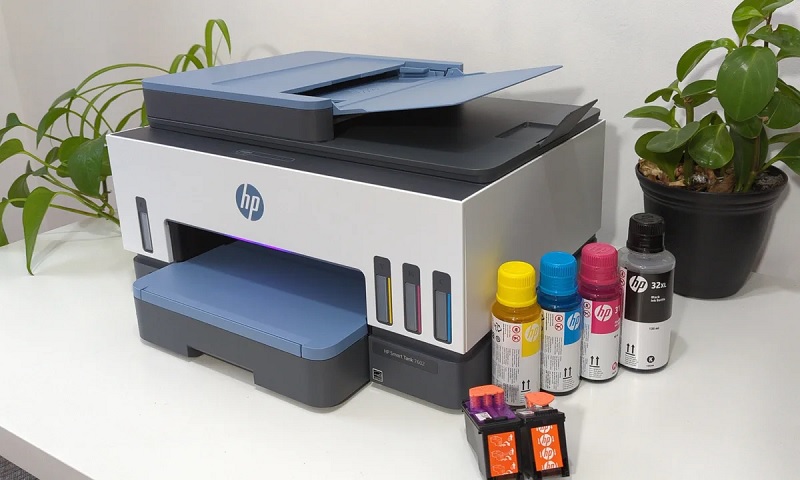
Since printer manufacturers hold numerous patents on their ink formulations and cartridge designs, they can limit who’s allowed to produce compatible replacements. This means you’re often stuck buying original cartridges, as third-party companies risk legal action if they try to replicate patented technology. These patent protections create a controlled market where competition is restricted, allowing manufacturers to set higher prices.
Even when alternative cartridges appear, they may be designed to circumvent patents, which can reduce print quality or damage your printer. So, while you might look for cheaper options, the legal and technical barriers make it tough. In the end, these patent controls restrict your choices and keep ink prices elevated, ensuring manufacturers maintain a strong grip on the market.
The Role of Printer Manufacturers’ Business Models
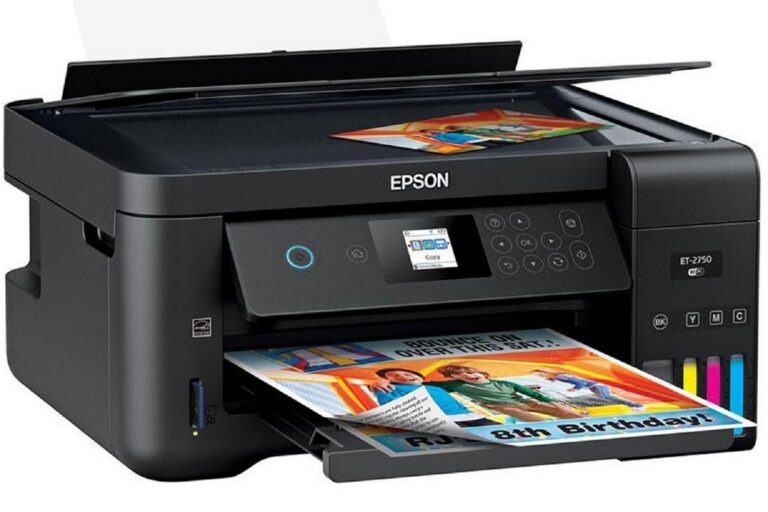
When you buy a printer, you might think the device itself is the main source of profit for manufacturers, but that’s rarely the case. Printer companies often sell printers at low prices or even at a loss, knowing they’ll earn back and then some through ink cartridge sales. This “razor and blades” business model ensures you keep buying expensive ink.
| Model Aspect | Manufacturer Strategy | Impact on You |
|---|---|---|
| Printer Pricing | Low upfront cost | Easy to buy but costly over time |
| Ink Cartridges | High markup | Frequent expensive purchases |
| Cartridge Design | Proprietary and patented | Limits third-party options |
Understanding this helps you see why ink costs so much and why manufacturers design their business models this way.
Costs Associated With Research and Development
Because developing high-quality printer ink requires significant investment, a big part of the cost you pay comes from research and development. Printer ink isn’t just a simple liquid; it’s a carefully engineered formula designed to work seamlessly with various printers, resist fading, and produce vibrant colors. Companies spend millions testing different chemical compounds and improving ink performance to ensure reliability and safety.
They also invest in developing eco-friendly options and meeting environmental regulations, which adds to the complexity and expense. All these innovations require specialized labs, expert scientists, and extensive trial phases. So, when you buy ink, you’re also covering the costs of ongoing research that keeps improving print quality and compatibility.
This R&D investment is essential but inevitably raises the price on your ink cartridges.
Consumer Usage Patterns and Replacement Rates
Although printer ink may seem costly, your usage habits play a big role in how often you need to replace cartridges. If you print frequently or use color-heavy documents, you’ll go through ink much faster. On the other hand, occasional printing or black-and-white documents extend cartridge life.
Many people don’t realize that even small print jobs can consume a surprising amount of ink due to cleaning cycles and printer maintenance. Additionally, wasting ink by printing unnecessary pages or using high-quality settings for simple drafts speeds up replacement rates. By adjusting your settings, printing only what’s necessary, and using draft mode when possible, you can stretch your ink further.
Understanding your personal usage patterns helps explain why ink costs add up and how you might reduce them.
Frequently Asked Questions
Can Third-Party Ink Cartridges Damage My Printer?
Yes, third-party ink cartridges can sometimes damage your printer if they’re low quality or incompatible. They might clog nozzles or cause leaks, so you should choose reputable brands and check reviews before using them.
How Can I Tell if Ink Cartridges Are Genuine?
You’ll spot genuine ink cartridges by their official holograms and perfect packaging—because nothing screams “authentic” like a tiny shiny sticker.
If it looks too cheap or blurry, you’re probably holding a wannabe, not the real deal.
Are Refillable Ink Tanks a Cost-Effective Alternative?
Yes, refillable ink tanks can save you money over time since you buy bulk ink instead of cartridges. Just remember, they might be messier and need more maintenance, but they’re usually a cost-effective alternative.
Does Ink Quality Affect Print Resolution and Color Accuracy?
Yes, ink quality directly impacts print resolution and color accuracy. When you use high-quality ink, your prints look sharper and colors stay vibrant, while cheap ink often causes smudging, fading, or dull colors, ruining your work.
What Environmental Impact Does Printer Ink Disposal Have?
Nearly 350 million ink cartridges end up in landfills yearly, releasing harmful chemicals.
You’ll contribute to pollution and waste if you don’t recycle cartridges properly, so always opt for eco-friendly disposal methods to reduce environmental impact.
Conclusion
Now that you know why printer ink costs so much, you see it’s about more than just the ink itself. It’s about complex formulas, strict patents, clever business models, ongoing research, and how often you replace cartridges.
You’re not just paying for ink; you’re paying for innovation, protection, strategy, and convenience. Understanding this helps you make smarter choices, save money, and appreciate the technology behind every printed page.
By recognizing the factors that contribute to printer ink prices, you can better navigate options like compatible cartridges and ink refills. This knowledge empowers you to reduce expenses without compromising print quality. Ultimately, being informed about why printer ink is so expensive leads to wiser purchasing decisions and more efficient use of your printer’s resources.